

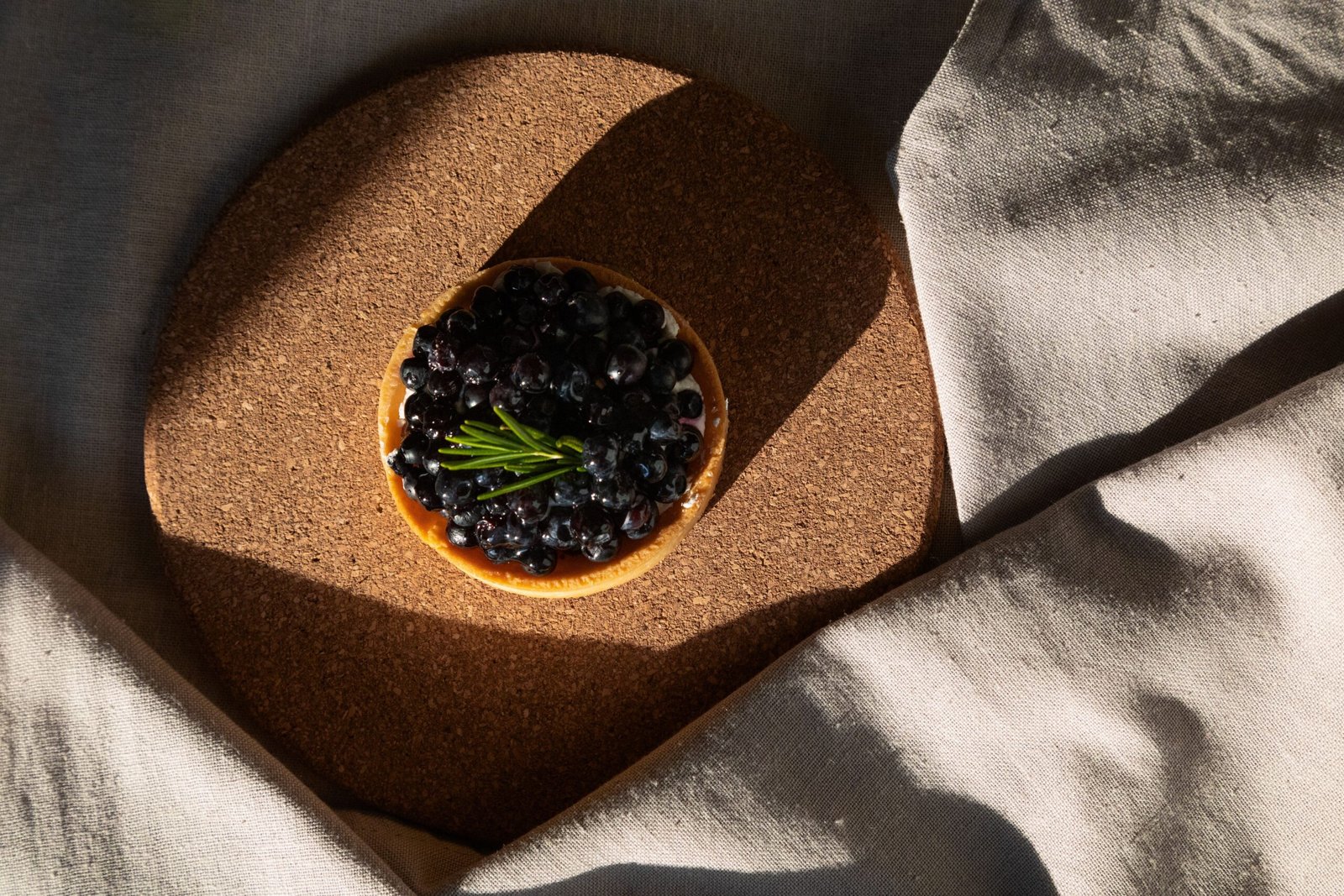
What separates a truly great blueberry pie from a “just ok” one isn’t just luscious, sweet blueberries or flaky, buttery pie crust. In the same way that we balance fruit, sugar, acid and thickening agent, our blueberry filling has to achieve the correct proportion in order to produce a slice of blueberry pie filling that isn’t too runny or too “stiff.” If the filling is too runny, slicing will cause the blueberry filling to slop onto the plate and can lead to a collapsing slice; over-thickening will result in a gooey paste that totally masks the taste of the natural blueberries.
Learning how to make blueberry pie filling at home gives you control over all of those details. Use fresh berries when in season, otherwise frozen is perfectly acceptable. All the filling can be fully prepared on the stovetop prior to adding to a crust, or you can utilize a technique which leaves some berries un-broken yielding a brighter taste.
The main technique consists of combining the berries and sugar and one of the binding agents, adding some lemon juice for tang and cooking to desired thickness. The challenge is determining amount of binder needed as well as when to stop cooking due to further thickening that will take place as it cools.
What Makes a Good Blueberry Pie Filling?
Blueberry pie filling should be thick enough to hold its shape after cooling but still soft and spoonable. It should taste strongly of blueberries rather than simply tasting sweet.
A balanced filling usually has four essential components:
- Blueberries: The main source of flavor, moisture, color, and natural sweetness.
- Sugar: Adds sweetness and helps draw moisture from the fruit.
- Thickener: Gives the released berry juices enough structure to create a sliceable filling.
- Acid: Lemon juice adds brightness and balances the sweetness.
A small amount of vanilla extract or lemon zest can also add depth, although neither is essential.
Texture really is key. Berries give off a fair bit of juice when they cook-if this juice isn’t thickened it leads to a runnier filling. Cook it too long or add too much thickener and it will turn pastey.
You want to cook it a touch more liquidy than you want the filling to be when it’s cold, the thickener will continue to set.
Ingredients for a Classic Homemade Filling
For a standard 9-inch pie, you can start with approximately:
- 5 to 6 cups fresh or frozen blueberries
- ¾ to 1 cup granulated sugar, depending on the sweetness of the berries
- ¼ cup cornstarch
- 1 to 2 tablespoons fresh lemon juice
- 1 teaspoon lemon zest, optional
- 1 teaspoon vanilla extract, optional
- ¼ teaspoon salt
This combination gives you a sweet, bright filling with enough structure for a traditional pie.
You don’t have to follow an exact amount of sugar; the level of tartness of your blueberries will influence how sweet you want to make the filling. Also, if the filling is not being used in a pie (but for a pie alternative such as a parfait, crumble topping etc), you may prefer to adjust the sweetness depending on whether you are serving it with ice cream, cream, pancakes or other sugary item.
Fresh versus frozen blueberries
Fresh and frozen blueberries can be substituted here. Fresh are easiest to use when they are in season and ripe and juicy. Frozen can be used in any recipe and I find they have the perfect qualities for the filling.
You generally do not need to thaw the frozen blueberries before adding them in to the mix.
This is probably easier if you add the frozen ones in straight from the freezer as they will help speed things up until they soften. The mix will take a slightly longer time to cook this way.
Also they do seem to release more liquid when cooking if they are frozen, so keep a close eye on consistency more than on the time alone.
How to Make Blueberry Pie Filling on the Stovetop
A stovetop method is one of the most reliable approaches because you can see exactly how the filling changes as it cooks.
Step 1: Prepare the blueberries
When using fresh blueberries, wash them, and then cut off any stems, leaves, or bruised berries. Allow excess water to drain from the berries.
Measure out frozen berries while they are still frozen. There is no need to completely thaw frozen blueberries unless your specific recipe instructions tell you to do so.
Add the blueberries to a medium saucepan.
Step 2: Add the sugar and salt
Add the sugar and salt to the blueberries.
The sugar will begin drawing moisture from the fruit. This is useful because the liquid released by the berries becomes part of the sauce.
Stir gently so you do not crush every berry immediately. Keeping some berries intact gives the finished filling a more appealing texture.
Step 3: Add lemon juice
Add fresh lemon juice to the saucepan.
The lemon does not exist simply to make the filling taste sour. A small amount of acidity helps balance the sweetness and makes the blueberry flavor taste brighter.
Lemon zest can also be added for a more pronounced citrus note.
Step 4: Prepare the cornstarch
Cornstarch should generally be mixed with a little cool liquid before being incorporated into a hot fruit mixture. This creates a slurry and helps prevent lumps.
Mix the cornstarch with a small amount of cool water until smooth.
Do not dump dry cornstarch directly into a bubbling fruit mixture unless your recipe specifically uses that method. Dry starch can form clumps that are difficult to eliminate.
Step 5: Start cooking the berries
Place the saucepan over medium heat.
Stir occasionally as the berries warm. They will begin releasing juice, and the sugar will dissolve into the liquid.
As the temperature rises, some blueberries will burst. Their juices will combine with the sugar and create the base of the filling.
You do not need to destroy every berry. Leaving some whole berries creates contrast between soft fruit and thickened sauce.
Step 6: Add the cornstarch slurry
Once the blueberries have released enough juice and the mixture is hot, gradually stir in the cornstarch slurry.
Keep stirring as the mixture heats.
Cornstarch thickens as it reaches a sufficiently high temperature, so the filling may appear thin at first and then become noticeably thicker, which aligns with guidance on cornstarch and fruit pie filling thickeners.
This change can happen relatively quickly.
Step 7: Cook until thickened
Continue cooking gently until the mixture has visibly thickened.
You should see the liquid become more glossy and sauce-like. The blueberries should remain identifiable rather than dissolving into a completely smooth puree.
Avoid prolonged vigorous boiling. Excessive cooking can break down the fruit and alter the texture.
Once the desired consistency is reached, remove the saucepan from the heat.
Step 8: Add vanilla if desired
If using vanilla extract, stir it in after removing the pan from the heat.
This preserves more of its aroma than adding it early in the cooking process.
Taste the filling carefully once it is cool enough to sample. If necessary, you can adjust sweetness or acidity before using it.
How Thick Should Blueberry Filling Be?
This is one of the most important parts of the process.
A hot filling should not necessarily look exactly like the final filling inside a cooled pie. It will become firmer as it cools.
The ideal consistency is thick enough to coat a spoon and hold together rather than behaving like blueberry juice. If you drag a spoon through the mixture, the path should remain visible briefly.
You should also remember that the filling will continue cooking slightly from residual heat after the pan is removed from the stove, while letting fruit pie filling cool and set is important for achieving the right final consistency.
If you keep adding cornstarch because the mixture does not look immediately thick enough, you can easily overshoot the desired texture.
Why does pie filling sometimes become runny?
A runny blueberry filling can happen for several reasons.
The most common is insufficient thickener relative to the amount of liquid released by the berries. Another possibility is that the filling was not cooked long enough for the starch to activate.
Frozen blueberries can also contribute additional moisture.
Finally, cutting the pie too soon can make a properly prepared filling appear too loose. The filling needs time to cool and set.
For the cleanest slices, allow the baked pie to cool substantially before cutting.
How to Use Fresh or Frozen Blueberries
The choice between fresh and frozen berries depends largely on availability and convenience, especially when following fresh and frozen fruit baking tips for consistent dessert results.
Fresh blueberries
Fresh blueberries are ideal when they are ripe, plump, and naturally sweet. Before cooking, inspect them carefully and remove any damaged fruit.
One advantage of fresh berries is that you can easily taste them before preparing the filling. That makes it easier to decide whether the recipe needs more or less sugar.
Frozen blueberries
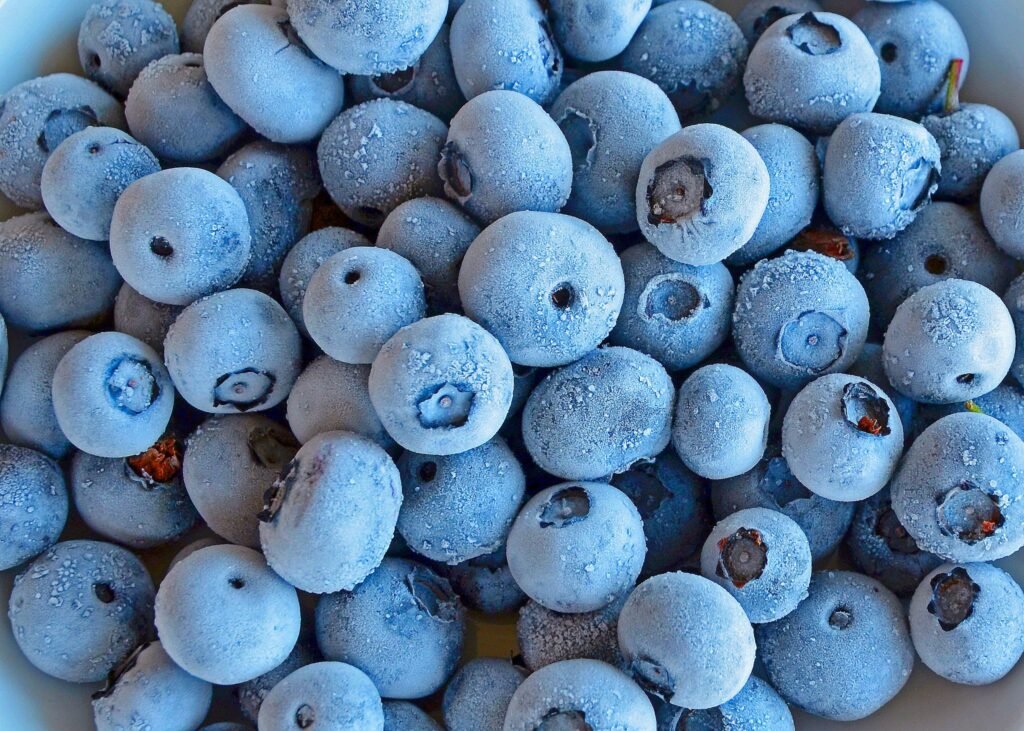
You can still use frozen blueberries during other months of the year when fresh are not in season.
You might have noticed that frozen blueberries cook down faster and release more liquid. That’s really not going to be too much of a concern. You’ll be able to tell by looking at how thick the filling seems when it’s done.
Don’t squeeze out any of the extra liquid from the thawed blueberries unless it’s specifically called for in the recipe. That extra liquid is where the flavor comes from and can go right into your filling.
If you bought frozen berries that stuck together into a big giant chunk then breaking them up a bit more when you put them in the pan will help them heat up evenly.
Should You Cook All the Blueberries?
It’s not essential.
A popular way is to gently simmer just a portion of your fruit with the sugar and thickening agent, then stir in another portion or fresh fruit to the thickened sauce.
The result is a pie filling that has two different textures-that of a rich, thick sauce and those of whole, distinct berries.
This method is useful if you want your pie to look and taste of whole fruit, not a complete berry gel.
You can also roughly mash just some of your berries in the cooked sauce, leaving the remaining berries whole.
There is no right way to do this; there are pies that you prefer with completely pureed berries and others that you prefer with visible whole fruit.
It’s not essential.
A popular way is to gently simmer just a portion of your fruit with the sugar and thickening agent, then stir in another portion or fresh fruit to the thickened sauce.
The result is a pie filling that has two different textures-that of a rich, thick sauce and those of whole, distinct berries.
This method is useful if you want your pie to look and taste of whole fruit, not a complete berry gel.
You can also roughly mash just some of your berries in the cooked sauce, leaving the remaining berries whole.
There is no right way to do this; there are pies that you prefer with completely pureed berries and others that you prefer with visible whole fruit.
How to Prevent a Soggy Pie Crust
Even a thick filling can make for a soggy crust due to improper handling of the pie. Your crust has to be strong enough to hold up the liquid filling. A simple trick would be not to pour extra hot filling into an unbaked crust unless that’s what the pie recipe calls for.
The hot, thick liquid will actually start to dissolve and make the dough soft before it ever gets to bake.
You may find with prepared fillings that it’s easier to handle and pour if they’ve cooled a little bit before putting them in the pie crust. Bake the pie by the time your crust recipe suggests, not just to cook the filling. The bottom needs a chance to bake and be golden all around. For very juicy fruit pies, I find that both par-baking and fully baking the bottom crust, with various methods.
Common Mistakes to Avoid
Using too much sugar
Extra sugar does not automatically make a better pie. If the berries are already sweet, excessive sugar can overwhelm their natural flavor.
Taste the fruit before deciding how much sugar you need.
Adding too much cornstarch
A filling that is overly thick before baking may become excessively firm once the pie cools.
Start with an appropriate amount and give the starch enough time to work before deciding that more is necessary.
Not accounting for cooling
The filling will become firmer as it cools.
Judging it only by its consistency straight from the stove can lead to unnecessary thickening.
Boiling aggressively for too long
Extended vigorous cooking can break down the blueberries and produce a filling that is darker, less fresh-tasting, or overly thick.
Once the filling has reached the appropriate consistency, remove it from the heat.
Cutting the pie while it is still hot
This is a common reason people think their filling failed.
A fruit pie needs time to cool so the filling can set. Cutting immediately after baking allows the juices to run before the structure has developed.
If you want neat slices, patience is part of the recipe.
How to Adjust the Filling for Different Uses
This doesn’t need to remain a standard pie filling for blueberries either. Just about any dessert would benefit from this basic mixture applied differently. For a blueberry tart, the filling probably ought to be quite a bit firmer, since a tart doesn’t have a great deal of depth for it to hold a much softer filling securely.
When I use this on cheesecakes, the softer filling works best; berries can be spooned on easily.
For a topping for pancakes and waffles, the amount of thickener can even be reduced a bit to make it more of a looser syrup. Use it for shortcake and just keep some berries whole, as this gives an even more textured and homestyle sort of filling. Berries for ice cream toppings can usually tolerate less of a thickening ingredient than pie filling, as a great shape isn’t being required.
How to Store Homemade Blueberry Filling
Once cooled, the filling should be placed in the proper airtight container and stored.
Short-term storage means refrigeration. Keep it covered until used and use it within reason, according to what it contains and how you practice food safety.
Fruit filling may be prepared in advance of assembly for a pie, simplifying baking day as the filling has already had time to cool and thicken.
If you are going to store filling for a longer time it is suitable for freezing. After allowing it to cool you can place the filling into a freezer safe container, leaving adequate head room.
To use it, allow it to thaw refrigerated then stir gently, if necessary, before placing it into your crust.
Can You Freeze Blueberry Pie Filling?
Yes, blueberry pie filling can be prepared ahead and frozen.
This is useful for busy or pre planning and for making sure you have some pie filling handy when you have an overload of seasonal blueberries to use up.
Cool down thoroughly before freezing, in a well sealed freezing suitable container or bag. Label clearly! ” Blueberry pie filling … Date”, this will make it identifiable later on.
Once thawed, the filling may be a little different in texture to ” fresh filling” then gently stir around to distribute moisture.
If it looks extremely thin when thawed, DON’T dump too much starch straight in after you have thawed it! Judge how it may thicken in the pie while being cooked/cooled.
A Simple Way to Customize the Flavor
Blueberries have a naturally distinctive flavor, so the best additions are usually subtle.
Lemon zest gives the filling a brighter citrus character.
Vanilla extract adds warmth and rounds out the fruit.
Cinnamon can work in small amounts if you want a more traditional spiced pie, although too much can overpower the blueberries.
A pinch of salt is surprisingly useful because it balances sweetness and helps the fruit flavor stand out.
You can also combine blueberries with other berries, such as raspberries or blackberries. If you do, remember that the other fruit may change the overall sweetness and moisture level.
The goal is to complement the blueberries rather than bury them under additional flavors.
Final Takeaway
Learning how to make blueberry pie filling is mostly about controlling moisture and balance. Sweet blueberries at the outset, reduce sugar relative to their sweet capacity, starch for integrity, lemon juice for vibrant fruit flavors. Cook so the blueberries don’t quite disappear in the process of creating structure, cook the filling long enough so some of the fruit holds up and is fully incorporated (and has enough time to thicken), and don’t forget that hot fillings thicken as they cool-so you might be tempted to add too much cornstarch if the mixture looks too fluid.
Frozen or fresh blueberries would yield fantastic results. Understand the interplay of fruit, sugar, acid, and thickener and you can then apply this to pies, tarts, cheesecakes, pancakes, anything and everything, using this idea as a springboard.
Frequently Asked Questions
1. Can I use frozen blueberries to make blueberry pie filling?
Yes. Frozen blueberries work well and can be used instead of fresh berries. They may release more liquid as they cook, so you may need to adjust the thickener slightly depending on the recipe.
2. What thickens blueberry pie filling?
Cornstarch is one of the most commonly used thickeners. It helps turn the blueberry juices into a glossy, spoonable filling without adding much flavor of its own. Tapioca starch or flour can also be used in some recipes.
3. Why is my blueberry pie filling too runny?
A runny filling can result from too much liquid, not enough thickener, or insufficient cooking. If using cornstarch, the mixture generally needs to reach a proper boil so the starch can thicken the liquid effectively.
4. Should blueberry pie filling cool before putting it in the crust?
Yes, especially if you are using a pre-baked crust or making a filling separately. Allowing the mixture to cool gives it time to firm up and makes it easier to control the final texture. Some recipes specifically recommend cooling the filling before use.
5. Can I add lemon juice to blueberry pie filling?
Yes. A small amount of lemon juice adds acidity that balances the sweetness and helps brighten the blueberry flavor. Lemon zest can also add a fresh citrus note.
6. How do I know when blueberry pie filling is thick enough?
The filling should look noticeably thicker and should coat the back of a spoon rather than running like juice. Keep in mind that it can become firmer as it cools.
7. Can homemade blueberry pie filling be used for desserts other than pie?
Absolutely. You can use it as a topping for cheesecake, pancakes, waffles, ice cream, yogurt, or other desserts. Its sweet-tart flavor also works well in hand pies and other baked treats.
Conclusion
Learning how to make blueberry pie filling is mostly about finding the right balance between juicy berries, sweetness, acidity, and thickening power.Blueberries, fresh or frozen, both work, and cornstarch reliably makes a filling that will not become too “gummy.” The lemon juice intensifies the flavor of the fruit, and letting the filling sit is very important for the filling to become set properly. The best way to know it’s done is really by judging the consistency, not just how long it’s cooked. Once you get a foolproof Homemade filling, not only will it work on regular pies, but you’ll also find it incredibly handy in cheesecakes, pancakes, and waffles.











