

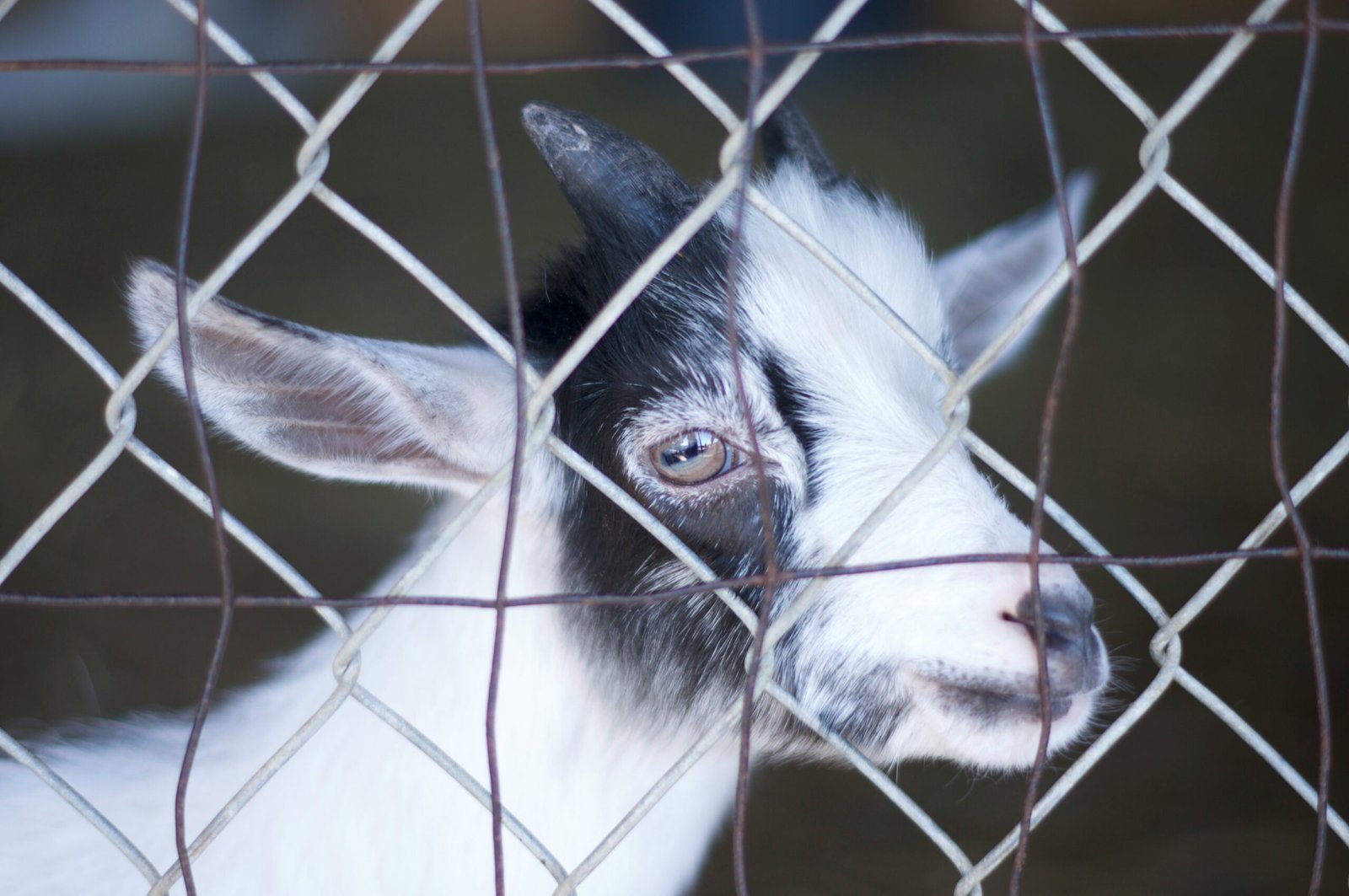
If you have ever cried in a vet clinic while signing the papers to have an animal euthanized, you are not alone. People often feel very uncomfortable about having animals euthanized, even when it is for the animals’ own good.That unease is often the start of a bigger question: why is animal euthanasia wrong, at least in some situations?
This article does not tell the reader what to choose. It showcases the most common ethical arguments that people use against animal euthanasia, the practical troubles and dilemmas it creates, and an essential action plan that can help when the moment comes to make this hard decision.
What Counts as Animal Euthanasia?
Before diving into ethics, it helps to be clear about what “animal euthanasia” actually means.
If you are wondering why is animal euthanasia wrong, in veterinary medicine, euthanasia is the intentional, humane killing of an animal, usually by injection of a fast-acting anesthetic overdose, most commonly pentobarbital. The goal is to cause rapid unconsciousness and death with minimal pain or distress through humane veterinary care.
However, the moral issues surrounding euthanasia depend on the context and the specific circumstances of each case.
For example, situations in which animals are euthanized unnecessarily or in poor health conditions may raise additional ethical concerns.
Types of Animal Euthanasia
| Type of euthanasia | Typical scenario | Common justification | Why some see it as morally problematic |
| End-of-life (terminally ill) | Advanced cancer, organ failure, untreatable pain | Relieves unbearable suffering | Still involves intentional killing; may be premature or based on uncertain prognosis |
| Economic euthanasia | Treatable condition, owner can’t afford care | Avoids prolonged suffering when treatment isn’t feasible | Treatable life ended for financial reasons; seen as valuing money over life |
| Shelter/overpopulation | Healthy or treatable stray/unclaimed animals | Resource limits, public health, adoption reality | Healthy lives ended due to systemic failures; raises questions about societal responsibility |
| Management euthanasia | Zoos, research, breeding programs | Population control, genetic management, protocol | Healthy animals killed for human-defined “management” goals; challenges notion of individual rights |
Understanding these categories matters because the question “why is animal euthanasia wrong” often really means: “Why is this kind of euthanasia wrong in this situation?”
Key Ethical Arguments Against Animal Euthanasia
When people search for “why is animal euthanasia wrong,” they’re usually looking for moral reasoning, not just medical facts. Here are the core arguments that lead some individuals, ethicists, and animal advocates to view euthanasia as ethically troubling or outright wrong.
1. The Right to Life and Inherent Value
One of the strongest objections comes from the idea that animals have inherent value and a basic interest in continuing to live, independent of how useful or convenient they are to humans.
From this perspective:
- Animals are not merely property or tools; they are individuals with their own lives and experiences.
- Ending a life—even painlessly—violates that individual’s right to continue living if they still have a future worth experiencing.
This is an example of animal rights philosophy, which posits that sentient beings should not be killed for the sake of convenience or ease of management.
Example:
Senior dog with manageable arthritis and epilepsy is still eating properly, walking short distances, and enjoying time with his human family; however, the vet recommends euthanasia because, “things will only get worse” – and some might argue that this is an unethical decision to make based on convenience and cost-effectiveness rather than the animal’s best interest.
2. Sanctity of Life and Moral Objections to Killing
For many people, religious or moral beliefs hold that intentional killing is inherently wrong, regardless of suffering or prognosis. These views often extend to all sentient beings, not just humans.
Within this framework:
- Euthanasia is seen as taking a life that belongs to God, nature, or the animal itself.
- Compassion is expressed through care, pain management, and presence—not by ending life.
This doesn’t mean suffering should be ignored; rather, it shifts the focus to palliative care, hospice, and support instead of euthanasia as the default “kind” option.
3. Economic Euthanasia: Ending Treatable Lives for Money
If you are wondering why is animal euthanasia wrong,one of the most common euthanasia practices that are highly criticized is economic euthanasia: euthanizing an animal because the owner cannot afford to pay for treatment, even though the animal could be treated and would have a good prognosis.
Research has shown the prevalence of this issue, for instance, one study on canine gastric dilatation-volvulus (bloat) revealed that compared to insured dogs, the rate of euthanasia was significantly higher among uninsured dogs prior to surgery, even though the survival rate of the procedure is high.
This information shows that a lot of animals are being subjected to euthanasia, whether it should happen or not, on the basis of solvency and financial responsibility.
There is an ethical dilemma behind the concept of animal euthanasia as a whole, and economic euthanasia serves as a prime example of a systemic ethical problem.
Many people who are against animal euthanasia in general believe that it is one of the most evident examples of euthanasia as a systemic ethical dilemma.
4. Speciesism: Would We Do This to Humans?
One more argument from supporters of the practice is the following question: Would we accept that if the patient were human?
Critics pointed out that there is an apparent inconsistency between animal euthanasia acceptance and the opposition to euthanasia for humans, even when death is imminent and the patient is experiencing excruciating pain.
Arguments here include:
- If a human had the same condition and prognosis, would euthanasia be offered so quickly?
- Would cost be allowed to decide life or death for a person in the same way it often does for pets?
- Are we quicker to euthanize animals because we see their lives as less valuable simply because they’re not human?
This line of reasoning does not necessarily suggest that animal and human euthanasia should be treated the same under law or regulation, but rather asks these questions — are we being irrational in our distinction, or are we committing an act of speciesism, being prejudiced towards another species?
5. Slippery Slope and Normalization of Killing
Some critics worry that routine, easy acceptance of pet euthanasia can dull our moral sensitivity to killing animals more broadly.
Concerns include:
- If it’s normal to euthanize a healthy shelter puppy because there’s “no room,” does that make it easier to accept mass culling of farm animals or wildlife?
- Does frequent “management euthanasia” in zoos or research reinforce the idea that animal lives are disposable when they conflict with human goals?
From this angle, the problem isn’t just individual decisions; it’s the cultural message that animal lives can be ended whenever it’s convenient or cost-effective.
When Might Animal Euthanasia Be Ethically Acceptable?
To be credible and useful, any discussion of “why is animal euthanasia wrong” must also acknowledge that many veterinarians, ethicists, and pet owners believe euthanasia can be morally permissible—or even required—in some situations.
Commonly accepted justifications include:
Unrelievable Suffering with No Reasonable Alternatives
When an animal has:
- A terminal condition with severe, unmanageable pain,
- Profound loss of function (unable to eat, stand, breathe comfortably), and
- No realistic options for palliative care that would provide a decent quality of life,
many argue that euthanasia is the lesser evil compared to prolonged suffering.
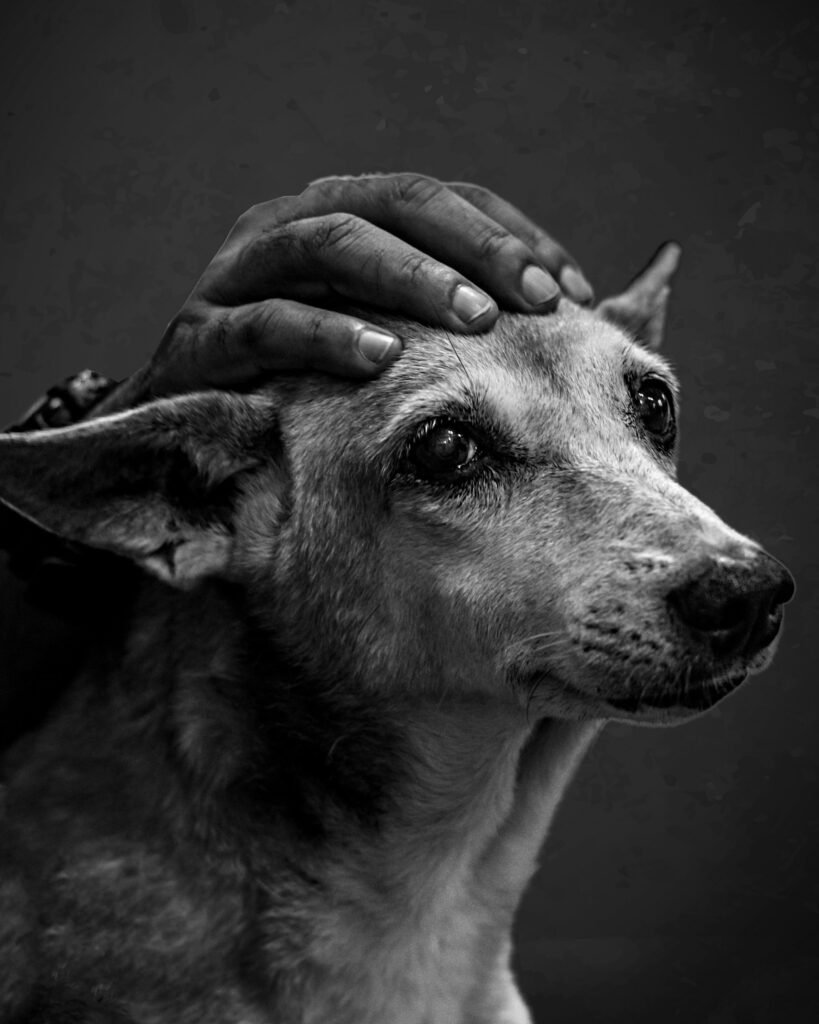
Quality of Life Below a Reasonable Threshold
Animal quality-of-life assessment looks at factors like:
- Ability to eat and drink without distress
- Mobility and ability to perform basic behaviors
- Presence of pleasure, interaction, and engagement
- Level of pain, anxiety, or distress that can be managed
If an animal’s day-to-day experience is dominated by suffering with little to no positive experience, some ethical frameworks view euthanasia as a compassionate release rather than a moral wrong.
Public Safety and Unmanageable Behavior
In rare cases, euthanasia is considered for animals with severe, unmanageable aggression or behavior that poses a serious risk to humans or other animals, and where:
- Rehabilitation has failed or is not feasible,
- Safe rehoming or sanctuary placement is not possible, and
- Confinement would cause prolonged psychological suffering.
Even here, many ethicists urge that all alternatives be exhausted first and that the decision be made with great care.
Real-Life Scenarios: Is Euthanasia Wrong Here?
Ethical arguments become clearer when applied to concrete situations. Below are common scenarios that illustrate why people ask, “why is animal euthanasia wrong”—and how the answer can depend on context.
Scenario 1: “Maybe It’s Time” for a Chronic but Stable Condition
A 13-year-old cat suffers from chronic kidney disease. Thanks to the right medication and a renal diet, she is happy, eats, grooms herself, and allows petting. In other words, she has good days. However, one morning, the veterinarian says that it might be kinder to end her life soon.
Ethical tension:
- Is this a realistic warning about future suffering, or a premature suggestion that cuts short a life still worth living?
- Is the recommendation based mainly on diagnosis, or on a full picture of the cat’s daily experience?
Questions to ask:
- What specific signs would indicate that her quality of life has truly declined?
- Are there palliative or hospice options we haven’t tried?
- Would a second opinion change the recommendation?
Scenario 2: Treatable Emergency, Limited Funds
If you are wondering why is animal euthanasia wrong, consider a situation in which a 4-year-old dog develops GDV.Although surgery is a viable option, the cost of the procedure would amount to several thousands of dollars. The owner has no insurance coverage, savings, or access to credit. The clinic offers two options: surgery and euthanasia.
This is a case of economic euthanasia. Indeed, there is evidence that animals without insurance are significantly more likely to be euthanized in similar scenarios, although they could benefit from life-saving treatment.
Ethical tension:
- The dog’s life is arguably worth saving, but the financial reality is harsh.
- Is it morally acceptable to end a treatable life because of cost, or is that an unavoidable tragedy of the current system?
Questions to ask:
- Are there payment plans, charities, or low-cost clinics that could help?
- Could a short trial of stabilization be possible while funding is arranged?
- If euthanasia is chosen, how can the owner process the moral weight of that decision?
Scenario 3: Healthy Shelter Animal in an Overcrowded System
A healthy young dog enters an overcrowded municipal shelter. Adoption rates are low, space is limited, and the shelter’s policy is to euthanize unclaimed animals after a set period.
Ethical tension:
- The individual dog has a clear interest in living.
- The system lacks resources to keep every animal indefinitely.
Many people who argue that animal euthanasia is wrong focus heavily on this scenario: healthy lives ended not because of suffering, but because of societal and policy failures.
Scenario 4: Management Euthanasia in a Zoo or Research Facility
A zoo decides to euthanize a healthy animal to manage genetics or population size. The animal is not suffering; it’s killed solely for management reasons.
Ethical tension:
- This highlights the instrumental view of animal lives: they exist to serve human-defined goals.
- Critics argue this is a clear case where euthanasia is morally wrong, regardless of how “humane” the method is.
If You’re Facing This Decision: A Practical Framework
If you’re wrestling with “why is animal euthanasia wrong” because you’re facing a real decision, you need more than theory.It helps to have a clear approach that allows you to stay calm and think rationally when you’re under pressure.
Use this step-by-step framework to make a more ethically informed choice.
1. Ask for a Clear, Written Prognosis
Request:
- A straightforward explanation of the diagnosis.
- Best-case, worst-case, and most likely outcomes with and without treatment.
- Expected quality of life in each scenario.
If the answer is vague (“Things will just get worse”), ask for specifics: what signs, over what timeframe?
2. Request a Quality-of-Life Assessment
Work with your vet to evaluate:
- Pain levels and how well they’re controlled
- Ability to eat, drink, move, and eliminate comfortably
- Interest in family, play, and normal activities
- Frequency of good days vs bad days
Some vets use simple scoring systems; the key is to make the assessment as objective as possible.
3. Explore Financial Options Before Choosing Euthanasia
If expenses are a significant concern, consider asking about:
- Payment plans through the clinic
- Third-party financing like CareCredit or Scratchpay
- Charitable grants and low-cost clinics (organizations like FACE Foundation list resources for owners facing economic euthanasia)
- Crowdfunding or community support
Many owners later report lasting guilt after choosing euthanasia primarily due to cost without fully exploring these options.
4. Seek a Second Opinion
If you feel rushed, uncertain, or uncomfortable with the recommendation:
- Request a referral to another healthcare provider or a relevant specialist.
- Bring all records and test results to avoid repeating expensive diagnostics.
A second opinion can confirm the original plan—or open up alternatives you hadn’t considered.
5. Reflect on Your Motives
Be honest with yourself:
- Are you choosing euthanasia mainly for the animal’s welfare, or because of cost, time, emotional fatigue, or lifestyle constraints?
- If money or convenience weren’t factors, would you still choose euthanasia?
There’s no shame in admitting that practical limits matter. But recognizing them helps you make a more conscious, values-aligned decision.
6. Consider the Long-Term Emotional Impact
Many people underestimate how much euthanasia can affect them emotionally, especially when:
- The animal was still treatable.
- They felt pressured or unsure at the time.
- They later learn about options they wish they’d known sooner.
If you’re worried about future regret, that’s a signal to slow down, gather more information, and explore alternatives.
Alternatives to Euthanasia Worth Considering
Before concluding that euthanasia is the only option, it’s worth knowing what else might be possible.
- Veterinary hospice and palliative care: Focused on pain control, comfort, and pet health care rather than cure.
- Charitable grants and low-cost clinics: Nonprofits and some veterinary schools offer financial aid or reduced-cost care.
- Payment options: CareCredit, Scratchpay, in-house payment plans.
- Trial treatment periods: For some emergencies, a short trial of intensive care can clarify prognosis before making a final decision.
- Rehoming or sanctuary: In select behavioral or lifestyle cases (not acute medical crises), rehoming to a better-suited environment may be an alternative.
These options don’t solve every situation, but they can expand the range of choices beyond “treat now or euthanize.”
Beyond Individual Choices: Systemic Issues in Animal Euthanasia
It’s important to recognize that many of the hardest questions around “why is animal euthanasia wrong” are not just personal they’re systemic.
- High veterinary costs and limited insurance coverage push many owners toward economic euthanasia.
- Underfunded shelters face impossible choices between individual animals and population-level welfare.
- Cultural attitudes that treat animals as property rather than family members can make euthanasia seem like a simple administrative decision instead of a profound moral one.
Changing these patterns requires more than individual virtue; it calls for better social support, more affordable care, and stronger legal and ethical protections for animals.

FAQs: Common Questions About the Ethics of Animal Euthanasia
1.Is it ever morally acceptable to euthanize a healthy animal?
Some ethicists say no, arguing that healthy animals have an interest in not dying, while others argue that it was acceptable in some situations (e.g., unmanageable aggression) or places (e.g., shelters) but that such decisions should be made only as a last resort.
2.How is economic euthanasia different from other forms of euthanasia?
Euthanasia of treatable cases is termed economic euthanasia, in contrast to euthanasia of untreatable cases, which involves ethical issues of value and life. The economic euthanasia involves ethical issues concerning economic values and life.
3.Do veterinarians believe euthanasia is wrong?
Veterinarians have diverse perspectives and opinions. Most view euthanasia as a necessary means of ending suffering but are often torn about economically motivated euthanasia and feel that they should not be forced to recommend it.
4.What if I can’t afford treatment but don’t want to euthanize?
Consider all financial options (payment plans, charities, crowdfunding), ask about palliative care, and seek a second opinion. Some owners opt to give their pets comfort care at home, even if the condition is untreatable, but that can take a toll on the pet and should be discussed with a vet.
5.Is animal euthanasia the same as human assisted dying?
Legally and ethically both are different concerning the issues of consent and social norms. However, most philosophers agree that moral principles such as relief of suffering, respecting life, and autonomy should be applied in similar ways to all living creatures.
6.Can euthanasia be wrong even if it relieves suffering?
Some ethical theories will say yes, which are based on a right to life or sanctity of life. This is because terminating life to end suffering goes against moral principles of valuing life.
7.How do I know if my vet is recommending euthanasia for the right reasons?
Ask for explanations, prognosis and alternatives. If you feel rushed or pressured during your appointment, consider seeking another medical opinion for additional guidance. A responsible vet will not hinder your decision-making process and will work with you to make the most ethical choice for your animal companion.
Conclusion: Living with Moral Complexity
There is no single, simple answer to why is animal euthanasia wrong. For some, any intentional killing of an animal is morally unacceptable. For some, euthanasia can be an act of mercy in situations when there is no hope for recovery. For others, the issue concerns the cases of economic euthanasia or other scenarios where a person’s life is deliberately ended due to various factors such as costs, convenience, or other issues not related to health problems.
The purpose of this article is to provide answers that will help you in making a choice and seeing beyond the situation. The text below will present ethical arguments for euthanasia, economic euthanasia, and euthanasia in general, and offer practical solutions for your case. You may need to take a step back from the situation and consider several options before making a final decision. If you are in such a situation, you may want to calculate the costs, apply for financial aid, consult a professional, or discuss the matter with someone who can provide psychological support.











