

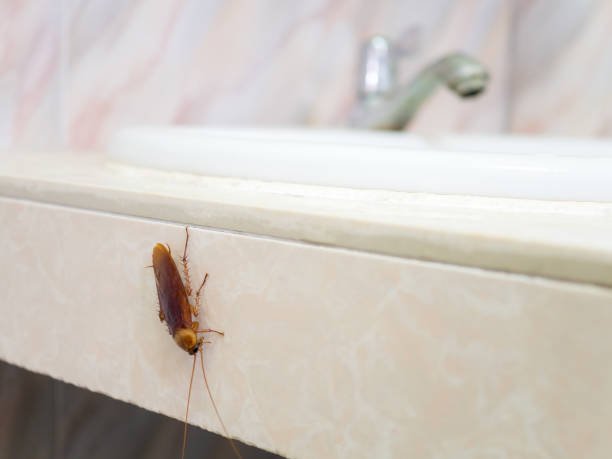
Pests rarely announce themselves clearly. Many species are most active at night or remain inside wall cavities, roof spaces, cupboards, subfloors and outdoor harbourages. That means the first signs are often indirect: droppings, scratching, unusual smells, damaged packaging, shed skins, mud material, gnaw marks or repeated insect sightings in the same part of the home.
Rodents often leave dark droppings along travel routes and may create scratching sounds after the house becomes quiet. Cockroaches can leave small droppings, egg cases or a persistent musty smell in heavily infested areas. Ant trails may appear only at certain times of day. Termites can be even less obvious, with damage hidden behind paint or inside timber until a surface begins to blister or break.
Patterns matter more than a single isolated clue. One insect brought inside on a box is different from repeated sightings of the same pest near a kitchen appliance. A noise in the roof during a windy night is different from regular movement at dusk. Note when and where signs appear, because timing and location can help narrow down the likely pest and harbourage.
Homeowners can make inspection easier by reducing clutter and keeping accessible edges visible. Check behind stored goods, around plumbing, under sinks, beside appliances and around external doors. Outside, look at bins, compost, garden beds, drainage areas and gaps where services enter the building. Do not disturb suspected termite activity or put hands into hidden spaces where a biting or stinging pest may be present.
When the evidence is unclear or keeps returning, a professional inspection can identify the pest and assess how established the problem is. Correct identification is important because treatments that are effective for one species may be ineffective for another. Finding the harbourage and the conditions supporting it is often more useful than repeatedly treating the most visible symptom.
Smell can sometimes provide an additional clue. Rodent urine, dead insects or heavily established cockroach activity can create odours in enclosed spaces, but the source may not be obvious. Likewise, unexplained grease marks along skirting or damaged insulation can point to movement through hidden areas. These clues should be considered alongside other evidence rather than used alone to identify a pest.
Regularly checking areas that are normally ignored can make hidden infestations easier to detect. Roof access points, garages, under-sink cupboards, storage rooms and the edges of outdoor structures are worth a quick look from time to time. The earlier a consistent pattern is noticed, the easier it is to investigate before the problem spreads into more difficult areas.
When pest activity keeps returning or the signs are difficult to interpret, a planned inspection is more useful than guessing. Brisbane Termite & Pest Control can assess the property, identify the pest where possible and recommend treatment and prevention measures suited to the building. That gives homeowners a clearer path forward and helps focus attention on the conditions actually supporting the problem rather than on isolated symptoms.











