

Preventing eye dilation from occurring may be preferable if you don’t want your vision to stay blurry for several hours. Eye dilation will leave you unable to see clearly and make bright lights seem very bright after an eye exam, with your pupils remaining abnormally large. However, this is primarily caused by the eyedrops that have been administered to dilate the eyes and reversing this effect at home is not possible.
If you are wondering how to make eye dilation go away faster, the most useful approach is usually supportive care while the medication wears off. Wearing sunglasses, avoiding unnecessary bright light, resting your eyes, and giving yourself enough time to recover can make the experience more comfortable. Most routine dilating drops wear off within several hours, although some effects can last into the following day depending on the medication and the individual.
Understanding what causes the dilation, what you can safely do afterward, and which symptoms are unusual can help you follow eye dilation aftercare without putting additional strain on your eyes.
What Happens When Your Eyes Are Dilated?
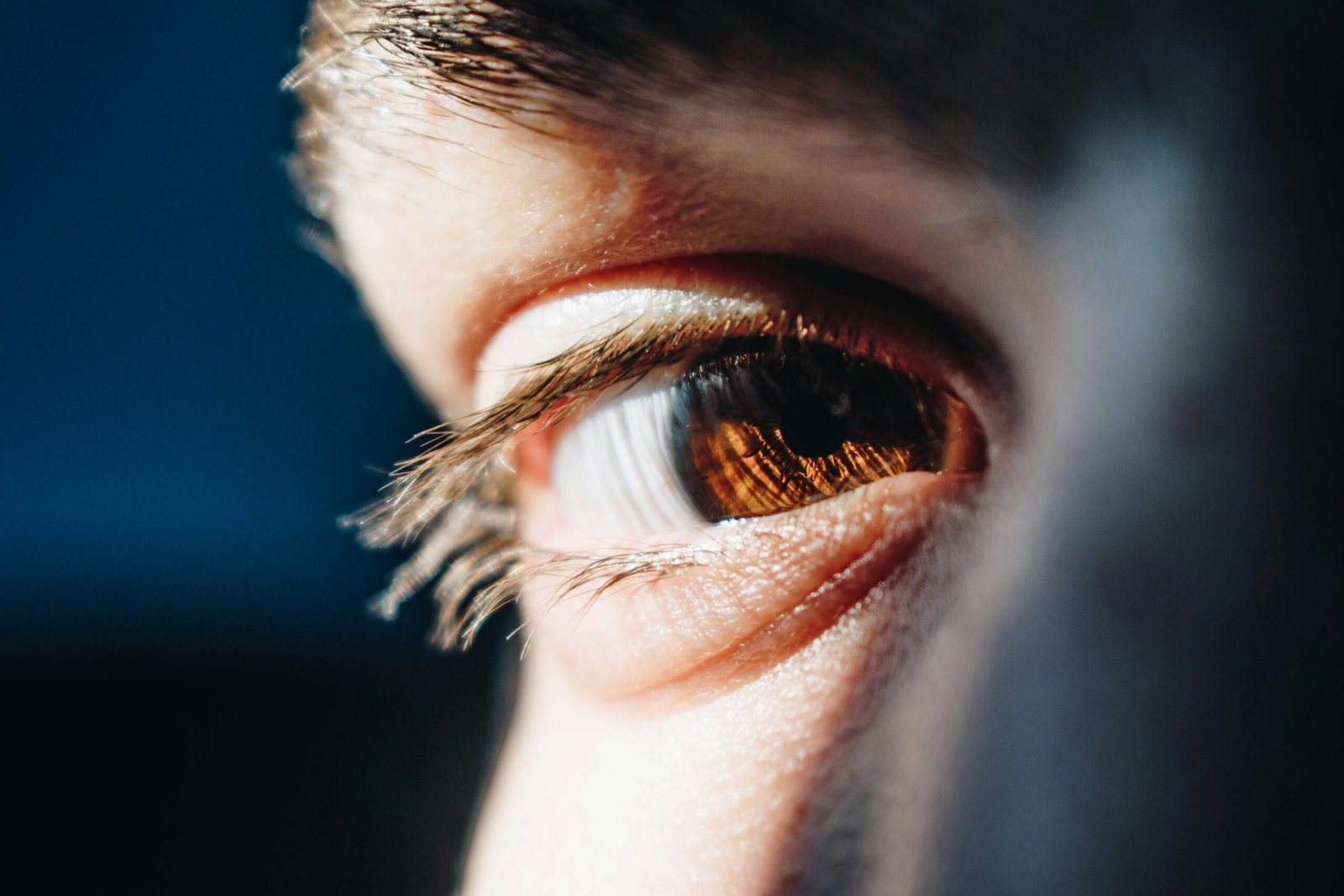
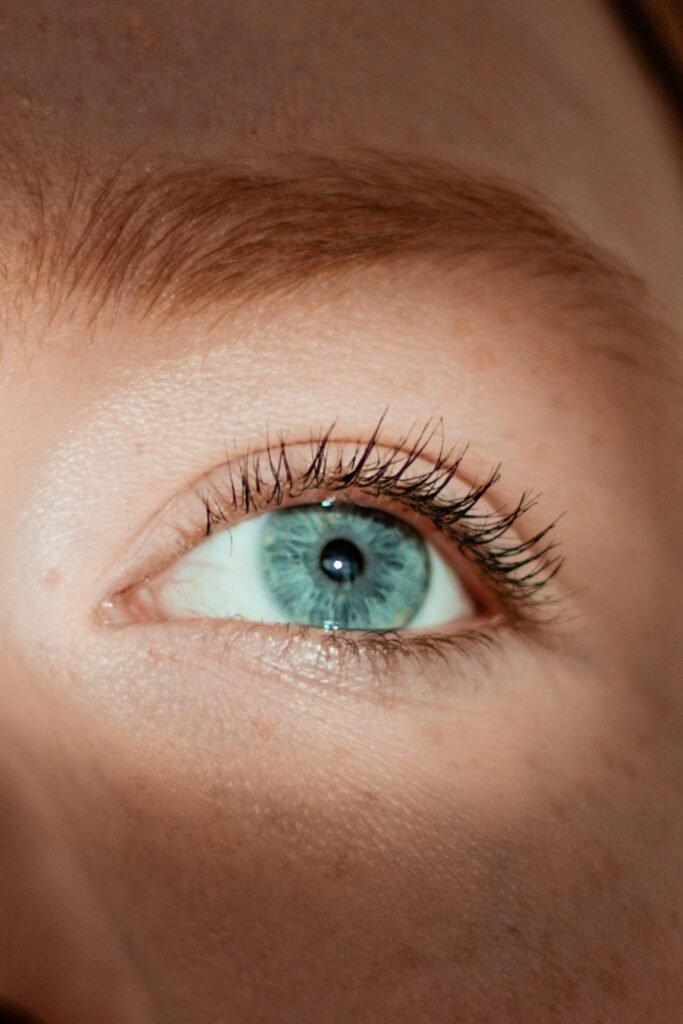
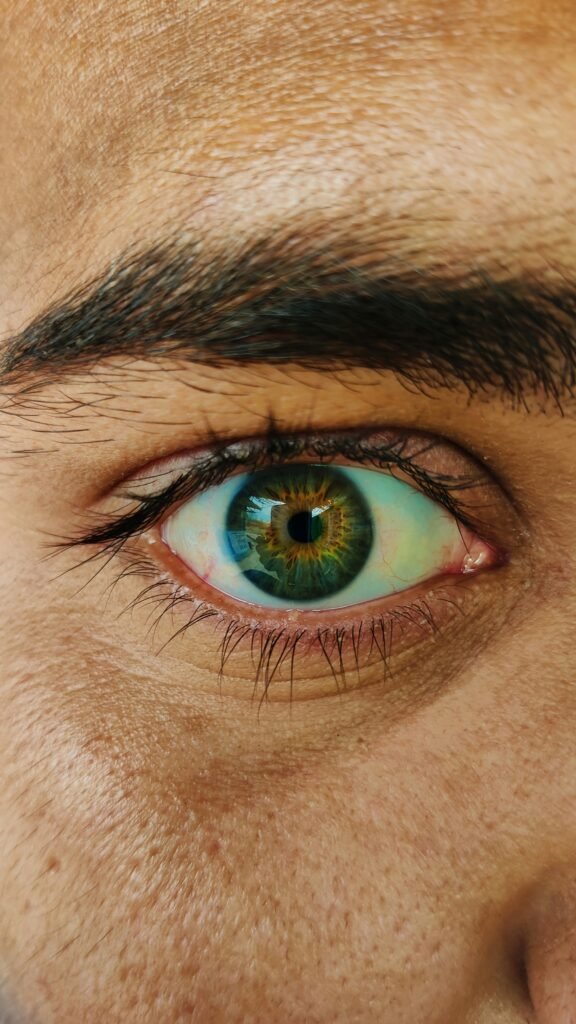
Your pupils are the black circles in the center of your eyes. They get smaller in bright light and larger in low light to regulate the amount of light that enters your eye. During an eye exam, an eye-care specialist may use eye drops that dilate your pupils temporarily. Some dilating drops also relax the eye muscles responsible for focusing, which may make it hard to see up close.
The result can feel strange even though the process is temporary. Common effects include:
- Large or unusually noticeable pupils
- Sensitivity to sunlight and bright indoor lighting
- Blurred near vision
- Difficulty reading or using a phone
- Glare around bright lights
- Temporary difficulty judging depth in some people
The dilating eye drops may begin working within roughly 10 to 30 minutes, depending on the medication. Their effects can last several hours, and some preparations may continue affecting the pupils or vision until the next day.
The important point is that dilation itself is usually not something you need to force away. Your eyes generally return to their normal state as the medication’s effects wear off.
How to Make Eye Dilation Go Away Faster
There is no reliable trick that immediately reverses routine medication-induced dilation at home. The safest strategy is to make yourself comfortable while your eyes recover naturally.
1. Give the medication time to wear off
Step 1: Wait out the dilating drops While dilating drops can interfere with the normal function of your pupil and, with certain medications, the muscles that help you focus your eyes, having dilated pupils doesn’t mean you can get on with the rest of your day. You won’t clear the medication any quicker by trying to constrict your pupils. How long you remain affected will depend on the strength of the medication used and your individual response.
2. Wear sunglasses
Glasses won’t help you get rid of your drops as quickly as possible, but they will help your recovery be much more comfortable. Dilated pupils allow extra light into your eye, so your usual glare may seem overwhelming. Wearing sunglasses may help you to function in bright environments while your eyes shrink back to normal.
If you’re in the sun, a hat with a brim will also help shade your eyes.
3. Stay away from harsh lighting
No, you need not go into total darkness. Just cut down on anything excessively bright. If you have bright overhead lights in your home, try to use less bright light when possible. Also, dim down the brightness on your phones, tablets, and computers if they’re not essential.
This is mainly a comfort procedure rather than a treatment. Dimmer conditions won’t fix the drops, but could help your light sensitivity become less bothersome.
4. Give your eyes a break
Break when reading and near working is uncomfortable. Your dilating drops can disrupt your near focus for a time so it’s annoying to stare at small print for long periods. Rest your eyes, listen to an audio or avoid near visual tasks until your focus is restored as part of proper eye care.
Don’t keep retesting every 2 minutes or so.
The effects will take some time to wear off rather than suddenly vanish.
5. Follow your eye-care professional’s instructions
If you had dilation as part of an eye exam, simply follow the instructions you were given. If you received dilating drops as a medication for an eye condition and not for a regular eye exam, do not stop or alter the drops just because you are eager for your pupils to return to regular size. Certain dilating medications are used for therapeutic purposes, such as alleviating pain caused by inflammation within the eye.
How Long Does Eye Dilation Usually Last?
Answer: It varies by the eye medication. Duration of dilation after a standard eye exam can be several hours. Some clinical patient instructions mention effects of eye drops occurring for 4-6 hours, while other instructions state that eye drops can take 6-24 hours to wear off.
Individual recovery can differ because of factors such as:
- The specific dilating medication
- The concentration used
- Whether one or both eyes were treated
- Your age
- Your individual response to the medication
- Whether a stronger medication was used to produce cycloplegia
- Whether you have another eye condition
For instance atropine lasts much longer than drops typically used to dilate the eyes of most adults. Some patient instruction guides say atropine might dilate the eye longer than general exam drops.
Why Are My Eyes Still Dilated After Several Hours?
It can last a bit longer. Blurring can be corrected faster than it takes the dilated eye to return to normal size. For some people, their vision remains fairly clear when their pupils are still dilated, whereas others experience continuation of light sensitivity and near-focus issues even when the biggest part of the dilation wears off.
A number of eye-care websites detail post-dilation side effects lasting into the following day. Longer dilation effects are sometimes associated with medications of a stronger concentration when used in children.
Information related to pupils dilating in children suggests sometimes longer effects, including a pupil-wide enough to see through, can last 24 hours or more depending on the medication.
Can You Drive With Dilated Eyes?
Avoid driving the eyes can be sensitive to light, and near vision can be blurred, especially for objects held close. Some people may also have an issue with their depth perception. Several eye care providers strongly recommend not to drive until the vision has returned to normal after dilation.
The best bet is to have a way to get to and from your appointment if you expect to be dilated. If you’ve already been dilated, make sure your vision has returned to normal and that you’re able to see comfortably before driving.
This applies to cycling, using machinery, any situations when there could be a risk of falling because of having to climb or an issue with depth perception, or when you’re carrying out any visual task.
What Should You Avoid After Eye Dilation?
Most people do not need complicated aftercare, but several common-sense precautions can make the recovery period easier.
Avoid driving while vision is affected
Blurred vision and glare can make driving unsafe. Wait until your vision has returned to its usual level.
Avoid forcing yourself to read
If close-up vision is blurry, give your eyes time rather than repeatedly straining to focus.
Avoid staring into bright light
Bright sunlight and strong artificial lighting may be uncomfortable while the pupils are enlarged.
Do not use another eye medication to reverse dilation unless instructed
You might be tempted to look for an eye drop that constricts the pupils. Applying medication without medical supervision can introduce unneeded dangers and might counteract your original reason for having dilated eyes.
Which medication you need is dependent on the cause of dilated eyes.
Do not assume every dilated pupil is caused by an eye exam
If you did not recently receive dilating drops, persistent or unusual pupil enlargement may have another cause and deserves appropriate medical evaluation.
What If Only One Pupil Is Dilated?
Unequal pupil sizes are called anisocoria. Sometimes the difference in pupils is benign, and if it’s been around for years that is usually OK. However, a new or sudden difference might be caused by something more serious.
A sudden difference in pupils accompanied by eye pain, a bad headache, visual changes, drooping eyelid, weakness, confusion or other neurological deficits needs urgent care.
Reasons for pupil changes can include not only medications but also trauma to the eye, neurologic problems, migraines, and other medications.
The context is everything. There’s a big difference between someone who has just had eye dilation drops applied by an eye care professional and someone who just woke up with an enlarged pupil.
Can You Make Dilated Pupils Constrict Naturally?
Yes, in most cases the pupils will eventually revert to their original size after the effect of the medication wears off. The pupil’s normal function is to constrict in response to changes in light levels. Dilating medications temporarily impede this, but the normal function should return once the medication wears off. That’s why any sort of home remedy that claims to instantly counteract dilation should be taken with a grain of salt: Drinking more water, exercising, sleeping, eating certain foods, or sitting in bright light has not been proven to be an effective method for quickly countering the effects of dilating drops.
A Simple Recovery Routine After an Eye Exam
If your pupils were dilated during a routine examination and you want the next few hours to be as comfortable as possible, use a straightforward approach.
Step 1: Put on sunglasses before going outside
This reduces discomfort from sunlight and glare.
Step 2: Arrange transportation if necessary
Do not drive until your vision is back to normal.
Step 3: Reduce demanding visual tasks
If reading, computer work, or phone use feels difficult, take a break.
Step 4: Stay in comfortable lighting
Avoid unnecessary exposure to intense light while your pupils are still enlarged.
Step 5: Let the medication wear off
The medication’s effects need to diminish naturally. Most routine cases improve over several hours.
Step 6: Monitor your symptoms
Gradual improvement is reassuring. Symptoms that become worse rather than better deserve more attention.
This routine does not accelerate the pharmacological process, but it can make the recovery period safer and more comfortable.
Common Mistakes People Make
One of the errors that patients make is to assume that the larger pupils can be corrected right away. If the pupils are dilated because of drops during an eye exam, this is completely expected. Mistakenly going home before these eyes recover from the effects of the drops.
If your distance vision looks OK and you’re not traveling, there may be glare, too much light, or inability to focus that will make the drive unsafe.
Using any random eye drops to make pupils smaller is asking for trouble unless an eye-care provider has advised the use of the medication. Ignoring ongoing symptoms when the eyes have recently been dilated. Symptoms should generally get better, not worse, with normal recovery. Increases in pain, worsened vision, increased redness, or other concerning symptoms should not be just blamed on the drops.
Assuming the length of time any medication takes to wear off is the same for all medic ations.
When Should You Contact an Eye Doctor?
Most temporary dilation following an eye exam does not need treatment. Some signs warrant prompt follow-up. Call your eye-care provider if you experience intense eye pain, significant redness, blurriness that lasts longer than normal or worsens, halos or glare around objects, nausea or vomiting.
These can rarely be signs of elevated eye pressure that could occur with sudden eye dilation and require immediate evaluation.
You should also follow-up if your pupils enlarge suddenly for no apparent reason (particularly if you have not recently used drops that dilate the eyes) and experience neurological symptoms, or if your vision does not return to normal as expected, or if you are unsure that the duration of dilation is appropriate for the type of eye drops used.
Special Cases: Stronger or Longer-Acting Drops
Some pupil-dilating medications are not for the same purpose. Regularly used drops will usually fade in a matter of hours, but stronger medications used for certain eye conditions will last much longer. For instance, Atropine may cause an extended dilated pupil, as well as blurred near vision.
Medications such as Cyclopentolate and others can also cause changes in focusing, as well as width of the pupil.
This means that you may have difficulty focusing on near objects or with reading even when you do not feel any symptoms. If your doctor prescribed a dilating medication for treatment, never attempt to lower the effect without talking to your doctor first, as the dilatation’s inability to close may be used as part of the treatment plan.
Final Takeaway
If you are wondering how to make eye dilation go away faster, the safest answer is that there is usually no reliable way to instantly reverse the effects of dilating eye drops. Most routine dilation gradually wears off as the medication leaves its effect on the eye, often over several hours, although some drops can last until the following day or longer.
Help yourself by wearing sunglasses, keeping out of bright lights, reducing strenuous near work and refraining from driving until the vision improves. Do not get or use any eye drops which have not been approved, for the purpose of constricting the pupils. Immediate medical attention is needed if pain is intense, redness is severe, vision worsens, halos are seen, there is nausea, or vomiting, or if there is an unexpected change of the pupils.
Frequently Asked Questions
1. How can I make eye dilation go away faster?
There is no reliable home method that instantly reverses dilation caused by eye drops. The effects usually wear off naturally as the medication leaves the eye. Sunglasses, comfortable lighting, and resting your eyes can make the recovery period easier.
2. How long does eye dilation usually last?
After a routine eye examination, dilation often lasts for several hours. Depending on the medication used and the individual, blurred vision or light sensitivity can continue into the following day. Stronger or longer-acting drops may last considerably longer.
3. Can bright light make dilated pupils go back to normal faster?
Bright light may normally cause pupils to become smaller, but dilating medication can temporarily interfere with that response. Deliberately exposing your eyes to intense light is not a recommended way to reverse dilation and may cause unnecessary discomfort.
4. Can I use eye drops to reverse dilated pupils?
Do not use pupil-constricting or other eye drops specifically to reverse dilation unless an eye-care professional tells you to do so. The appropriate treatment depends on why your pupils are dilated and which medication caused it.
5. Can I drive after getting my eyes dilated?
You should avoid driving while your vision is blurred, light-sensitive, or otherwise affected. Sunglasses may make bright light more comfortable, but they do not necessarily make driving safe. Arrange transportation when possible and wait until your vision has returned to normal.
6. Why are my eyes still dilated hours after an eye exam?
Different dilating medications have different durations. Some effects can last several hours, while stronger medications may continue affecting pupil size and near vision for much longer. Individual responses also vary.
7. What helps with blurry vision after eye dilation?
Give your eyes time to recover and avoid demanding close-up tasks if they are uncomfortable. Adjust screen brightness, use comfortable indoor lighting, and wear sunglasses outdoors. Blurred near vision generally improves as the medication wears off.
8. When should I worry about dilated pupils?
Seek prompt medical attention if dilation is accompanied by severe eye pain, significant redness, worsening vision, halos around lights, nausea, vomiting, or sudden unexplained pupil changes. These symptoms should not automatically be attributed to routine eye drops.
Conclusion
If you are looking for how to make eye dilation go away faster, the safest approach is usually to let the medication wear off naturally rather than trying to force the pupils to constrict. Sunglasses, gentle lighting, and resting your eyes will reduce discomfort from light sensitivity and will make temporary blurry vision easier to handle. Do not drive or engage in any activity that requires clear vision until you can see normally again. Do not use non-prescribed eye drops to make the eye’s dilation subside more quickly, especially if the drop was a prescribed medication for a medical condition.
Most drops will wear off after a few hours, but some can persist longer.
Seek care immediately for severe pain, flare, worsening vision, significant redness, halos, nausea or vomiting, or sudden, unexplained pupil changes.











