
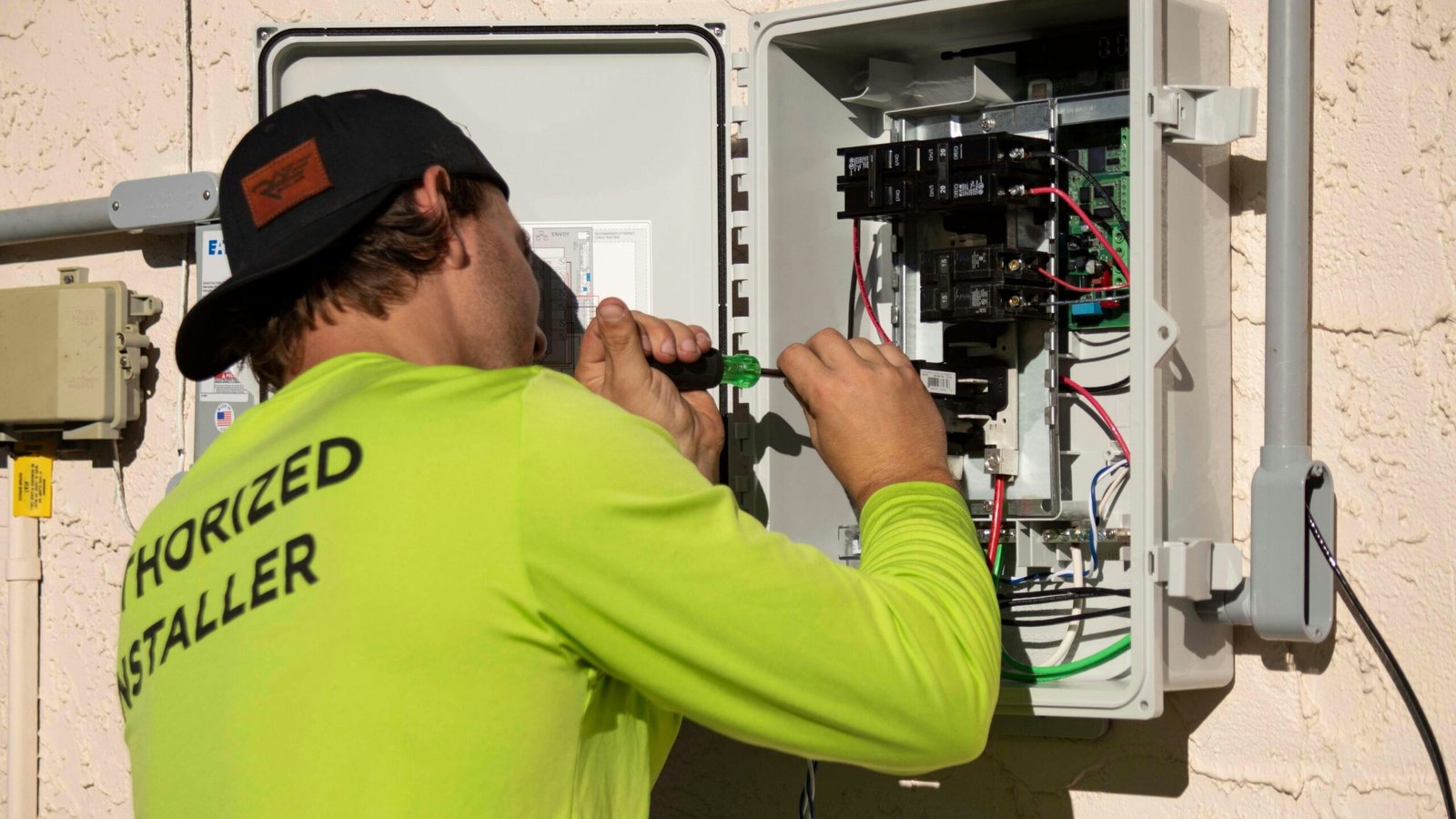
Although a tripped breaker may take some power out of your home, it can often be a symptom that is functioning as it should. This automatically cuts off the electrical power for a particular circuit if it is trying to handle too much power at one time, or when it senses a particular type of electrical fault within that circuit. Re-setting that circuit can bring the power back on but that’s not generally advisable if the cause of the breaker being tripped is not located.
For a straightforward overload, learning how to fix a tripped breaker may be as simple as turning off or unplugging some appliances and resetting the breaker correctly. A breaker that trips again, even instantly or repeatedly, or during normally operating loads suggests an underlying problem. That can manifest as a shorted appliance, worn or faulty wiring, water or moisture, or a deeper issue within your electrical system. This how-to guide walk you through recognizing a tripped breaker and safely resetting it, understanding the common causes, troubleshooting an easy scenario, and knowing when to leave well enough alone and call a certified electrician.
What Is a Circuit Breaker?
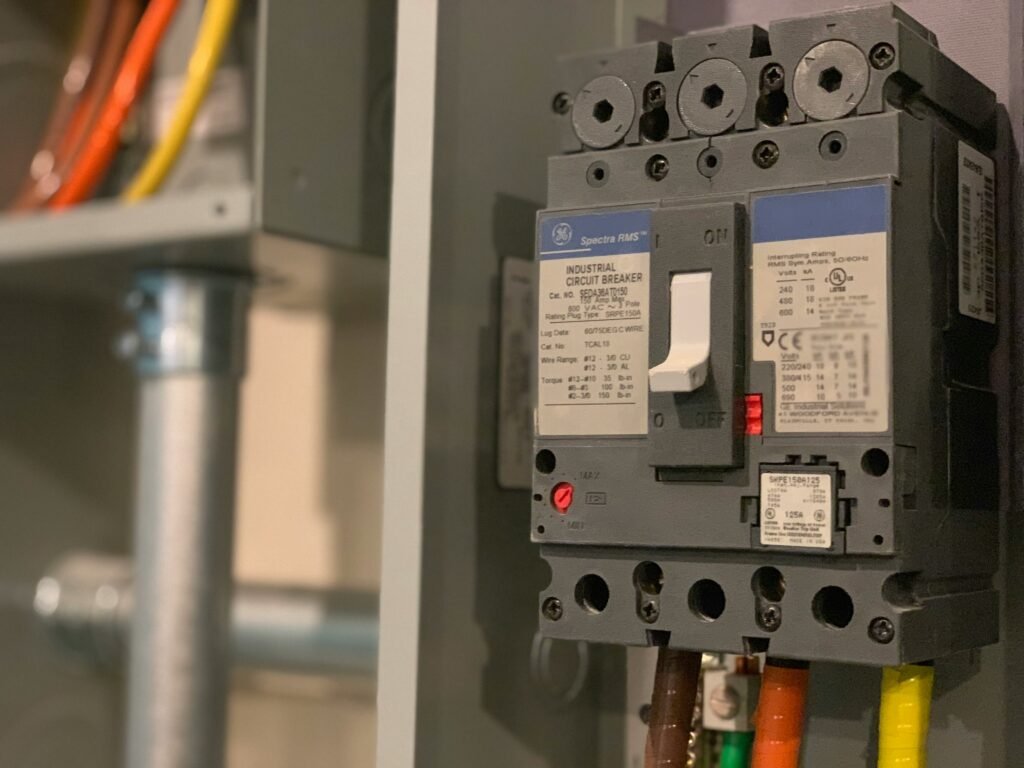
The protective device in your electrical panel known as the circuit breaker. The circuit breaker is a switch designed to prevent the flow of electrical energy under abnormal circumstances. When current is running through the circuit to energize lights, electrical devices, or outlets, the current follows the usual path from electricity source to those devices. When either a large over-current, or some other abnormality signals your circuit protection device to take action it will switch off that particular circuit.
When learning how to fix a tripped breaker, it is important to understand that a tripped breaker is different from one that has simply been switched off manually. A breaker that has tripped may sit somewhere between the ON and OFF positions, although the exact appearance varies by breaker design.
Why breakers trip
Several conditions can cause a breaker to interrupt power.
The most common include:
- An overloaded circuit
- A short circuit
- A faulty appliance
- Damaged wiring
- Ground-fault conditions on circuits protected by the appropriate device
- Electrical equipment exposed to moisture
- A problem with the breaker itself
The fact that a breaker trips does not necessarily mean the breaker is defective. In many cases, it is responding to a problem elsewhere in the circuit.
How to Tell if a Breaker Has Tripped
Before touching the electrical panel, determine if the electrical outage only affects one circuit. If some lights or outlets in your house and perhaps some of your appliances aren’t working while others in your house still are, a blown breaker is one possible reason why. Check the neighborhood it is out in first; if an appliance has been shut down then see if surrounding lights and/or electrical outlets have been shut off also.
Then find the breaker box to your house; keep your hands and feet dry; stand on something dry.
You should only be flicking the actual lever to a breaker; do not unbolt cover plate nor can you touch bare wire. Find a tripped breaker by seeing it will not align with other breakers in the breaker box; some breakers have both sides partially released from the position to when you activate and/or deactivate a breaker. Do not flip a breaker on and off repeatedly if you cannot find the right breaker that is for that circuit; ask electrician to show and help to label breakers if it is unlabeled.
How to Fix a Tripped Breaker Safely
For a breaker that appears to have tripped and where there are no signs of an electrical emergency, you can generally attempt a basic reset without opening the electrical panel.
Step 1: Reduce the electrical load
Turn off and unplug any devices that are powered by the circuit.
Be extra mindful of high-wattage appliances such as space heaters, hair dryers, microwave ovens, air conditioning units, power tools, and any other devices that can carry a significant load to the circuit.
That step makes a difference; switching on too many devices directly back to the circuit may just trigger the breaker again.
Step 2: Check for obvious warning signs
Before resetting anything, look around the affected area.
Do not proceed with a reset if you notice:
- Smoke
- Burning or melting odors
- Scorch marks
- Sparks
- Buzzing or crackling from an outlet or electrical device
- A hot outlet, switch, plug, or panel area
- Water around electrical equipment
- Damaged cords or visibly damaged electrical components
These signs can indicate a more serious electrical problem. Turn off power only if you can do so safely without approaching a dangerous area, and contact a qualified electrician or appropriate emergency service.
Step 3: Identify the tripped breaker
Find the breaker associated with the affected circuit. A tripped breaker may be positioned between ON and OFF.
Do not remove the panel cover. You only need to interact with the breaker handle.
Step 4: Move it fully to OFF
Many breakers need to be moved completely to the OFF position before they can be reset.
Move the handle firmly but without forcing it.
If it does not move normally, stop. A breaker that is physically stuck, damaged, or behaving unusually should not be forced.
Step 5: Move it back to ON
Once the breaker is fully OFF, move it back to the ON position.
If the breaker stays on and power returns, the initial problem may have been a temporary overload.
Reconnect or switch on appliances gradually rather than turning everything on at once. This can help identify whether a particular device is responsible for the overload.
Step 6: Observe what happens
Do not assume the problem is solved simply because the lights came back on.
Watch the circuit after the reset. If the breaker remains on under normal use, an overload caused by too many devices may have been the reason it tripped.
If it trips again, especially immediately, stop repeatedly resetting it.
Why Does a Breaker Keep Tripping?
Repeated trips are more significant than a single interruption.
Circuit overload
An overloaded circuit occurs when connected equipment demands more current than the circuit is designed to carry, making it important to understand household electrical circuit overloads.
For example, several high-power appliances may be plugged into outlets served by the same circuit. Each individual appliance may work normally, but operating them simultaneously can exceed the circuit’s capacity.
When learning how to fix a tripped breaker, remember that the appropriate response is not to install a larger breaker. The breaker rating is matched to the circuit’s wiring and protective requirements. Changing it without properly evaluating the circuit can create a dangerous condition.
Instead, reduce the load and distribute equipment across appropriately configured circuits.
Short circuit
A short circuit is a circuit that is designed not to offer the best resistance available for electron flow. Sometimes a short may trip a breaker very fast and will have symptoms like a spark, smell like burning or damaged to a piece of equipment. Avoid searching, probing, cutting or in any way disturbing your wires in a closed partition or wall.
Faulty appliance
The appliance may have an internal electrical problem which trips the circuit breaker.
One method to figure it out is to remove the appliances that plug into the impacted circuit, flip on the power (just the breaker switch in the breaker box) if no issues are noted. Then as long as it stays flipped, re-introduce the appliances one by one.
If the breaker is flipped just when you are running an appliance, quit using it; get it inspected or repaired.
Never hold the breaker switch ON to allow a faulty appliance to work.
What Is the Difference Between a Breaker and a GFCI?
Not all interruptions in the electrical flow is by the traditional circuit breakers. Ground Fault Circuit Interrupters are better known as GFCIs and are designed to stop current flow very rapidly when they detect current flowing where it should not be, helping provide ground fault electrical shock protection. GFCIs are frequently located in locations where electricity and moisture may be present including bathrooms, kitchens, garages, and outside.
GFCIs typically have a reset button along with a test button.
If one of your GFCI receptacles trips you should initially try and push in its reset button while make sure nothing else nearby and in the region looks too risky to touch. You do not want to continually press the reset button on the GFCI receptacle if it does not reset correctly and continue tripping it on-this implies there’s a fault present.
What If the Breaker Trips Immediately?
An immediate trip is one which you do not ignore. If the breaker trips at once after you reset it, there may be a short circuit, ground fault, or a problem within another overloaded circuit, faulty equipment, or an other issue with your electrical setup. This is definitely not a tripping condition where you repeatedly reset the breaker to retry; turn it off, and leave it off.
Do not start plugging things into it to test.
If the cause of the trip is not immediately and clearly isolated, or you feel it’s the more serious types of issues (as seen later in the next point) you will likely want to find a qualified electrician. A breaker which immediately trips even after appliances are unplugged and you know the equipment that would be running is disconnected warrants even closer examination, the problem likely being with the circuit and not necessarily with the plugged-in apparatus.
What If Only One Appliance Keeps Tripping the Breaker?
When a circuit is always fine up until you turn on a certain appliance you should look at the appliance you turn on. If, for example, a breaker stays fine when the space heater you’re running is off, but always trip as soon as it’s on and you then plug it in, you should not keep turning the breaker back on in an effort to keep running that heater. Check your appliance’s cord and plug for damage; do not disassemble the appliance or work on internal electrical systems without the proper skills.
An appliance may have an internal malfunction not outwardly visible.
If another circuit always goes when this same appliance is in use, that further supports an appliance problem versus repeatedly turning your home’s breakers on.
Common Mistakes to Avoid
Repeatedly resetting the breaker
One reset after a straightforward overload may be reasonable. Repeated trips are different.
A breaker that keeps interrupting power is giving you information about the circuit. Repeatedly forcing it back on does not remove the underlying problem.
Installing a higher-rated breaker
Never replace a breaker with a higher-rated one simply because the existing breaker keeps tripping.
The breaker protects the circuit’s wiring and other components. Increasing its rating without properly designing the circuit can allow wiring to carry more current than it can safely handle.
This is not a shortcut for solving an overloaded circuit.
Removing the panel cover
A homeowner may safely operate an accessible breaker handle under normal circumstances, but the inside of an electrical panel contains energized components.
Do not remove the cover to investigate a tripping problem unless you are qualified to work on electrical equipment.
Using damaged extension cords
Damaged, frayed, crushed, or overheated cords should not be used.
Also, extension cords should not be used to replace deficient house wiring. If you always rely on an extension cord to provide the outlet where and when you need it, you may have another electrical system problem.
Ignoring heat or burning smells
A warm electrical component, burning odor, discoloration, buzzing, or melted plastic should never be dismissed as a minor inconvenience.
These symptoms can indicate overheating or an electrical fault and warrant prompt attention.
Special Situations That Need Extra Caution
Breaker trips during rain or wet weather
If electrical problems occur specifically during wet conditions, moisture may be involved.
Outdoor equipment, exterior outlets, damaged wiring, or water intrusion can create hazardous electrical conditions.
it trips a second time – particularly if that happens quickly – simply Do not investigate electrical equipment while standing in water or working in a wet area.
Breaker Trips at the Same Time Every Day
A repeated pattern may indicate that several devices are being used simultaneously at a particular time.
For example, heating, cooking, laundry, and other equipment may overlap and increase the load on a circuit.
The pattern is useful information for an electrician even if the immediate cause is not obvious.
Several breakers trip at once
Multiple breakers shutting off simultaneously can point to a broader electrical issue rather than an ordinary single-circuit overload.
If the event is accompanied by unusual sounds, burning smells, smoke, or visible damage, treat it as an electrical emergency and keep away from the affected equipment.
The whole house loses power
A whole-house outage may not be caused by an individual branch-circuit breaker. It could involve the utility supply, the main electrical equipment, or another issue.
Check whether neighboring properties are also without electricity. If the outage appears limited to your home, contact the appropriate utility or qualified electrical professional depending on the circumstances.
When Should You Call an Electrician?
Some electrical problems are not suitable for DIY troubleshooting.
Contact a qualified electrician if:
- The breaker repeatedly trips
- It trips immediately after reset
- The circuit trips with very little load
- You smell burning
- You see scorch marks or melted components
- An outlet or switch becomes unusually hot
- You hear buzzing or crackling
- You find damaged wiring
- Water has reached electrical equipment
- Multiple breakers trip unexpectedly
- The breaker will not reset normally
- You suspect a problem inside the electrical panel
- You are unsure how to identify the problem safely
A professional can test the circuit, inspect connections, identify defective equipment, and determine whether the problem involves wiring, a protective device, or the electrical load.
How to Prevent Future Breaker Trips
Understanding Electrical Usage One way to save a trip or two for repairs is to know the electrical consumption requirements of your house and follow practical home electrical maintenance tips. • Avoid running many high-powered appliances on a single circuit unless the circuit can safely accommodate all loads at once. Pay special attention to space heaters and other high wattage units.
• Check plugs and cords; if a cord is fraying or if a plug is damaged, don’t continue using it.
Replace any broken equipment. • Keep electrical appliances far from water and never use a frayed outlet or broken switch. • If your breakers continually pop, call an electrician to examine the entire electrical system, as too frequent tripping suggests capacity limits or circuit distribution issues. A good labeling system will make all electrical-related problems easier to fix down the line, with each breaker properly indicating which part of the home or equipment it controls.
Final Takeaway
Knowing how to fix a tripped breaker safely is mostly about recognizing the difference between a simple overload and a warning of a larger electrical problem.If it seems an overloaded appliance has tripped the breaker, it is a simple task to simply pull its plug and reset the tripped breaker after ensuring it’s not likely to be a real danger (e.g., sparking).
If the breaker trips immediately a second time, if the breaker or surrounding area smells burned or is hot to the touch, if any sparks are present, or if there is damage such as chewed insulation or moisture on wires that are sparking or popping or whirring or grinding loudly, stop. Don’t use a higher rating to replace the breaker so it won’t pop any more, don’t take off the panel cover unless you know how to navigate a hot fuse box or breaker panel, and call an electrician for help with any other trouble that persists.
FAQs About How to Fix a Tripped Breaker
1. How do I safely reset a tripped breaker?
First, unplug or turn off appliances on the affected circuit if it is safe to do so. Identify the correct breaker, move it fully to OFF, and then switch it firmly back to ON. If it immediately trips again, leave it off rather than repeatedly resetting it.
2. Why does my breaker keep tripping?
Repeated trips can result from an overloaded circuit, a faulty appliance, a short circuit, a ground fault, damaged wiring, or a problem with the breaker itself. The timing of the trip can provide a useful clue, but repeated tripping should not simply be ignored.
3. Is it safe to keep resetting a breaker?
No. Resetting it once after an identifiable overload may be reasonable, but repeatedly resetting a breaker that continues to trip can be hazardous. If it trips again, particularly immediately, stop resetting it and have the cause investigated.
4. What should I do if the breaker trips immediately after I reset it?
Turn the breaker off and leave it off. Unplug affected appliances only if you can do so safely, but do not repeatedly test the circuit. An immediate trip can indicate a persistent fault such as a short circuit, ground fault, or defective equipment and may require a qualified electrician.
5. Can too many appliances cause a breaker to trip?
Yes. An overloaded circuit can trip when multiple appliances draw more current than the circuit can safely handle. High-power devices such as portable heaters, air conditioners, microwaves, and power tools can contribute to an overload when used together on the same circuit.
6. Should I replace a tripped breaker with a higher-amp breaker?
No. Installing a higher-rated breaker simply to stop repeated trips can defeat the protection provided to the circuit’s wiring. If the circuit cannot safely handle the required load, the electrical system should be evaluated and modified appropriately by a qualified professional.
Conclusion
Knowing how to fix a tripped breaker safely starts with understanding that the breaker is usually responding to an electrical condition rather than simply malfunctioning. Should there have been a recognizable overload responsible, power might return after lowering the load, and one strong reset. When, if ever,re-engaging the lever may not only do no good, it may be dangerous. Determine if there seems to be an apparent hazard and unplug the relevant equipment if possible and it is safe to do so and then allow a qualified professional address the recurring trouble.
Never permanently circumvent a breaker, install one of greater amperage, or open the panel to work on the inside unless qualified by experience to do so.
Repeatedly tripped breakers should be diagnosed rather than merely dealt with.