

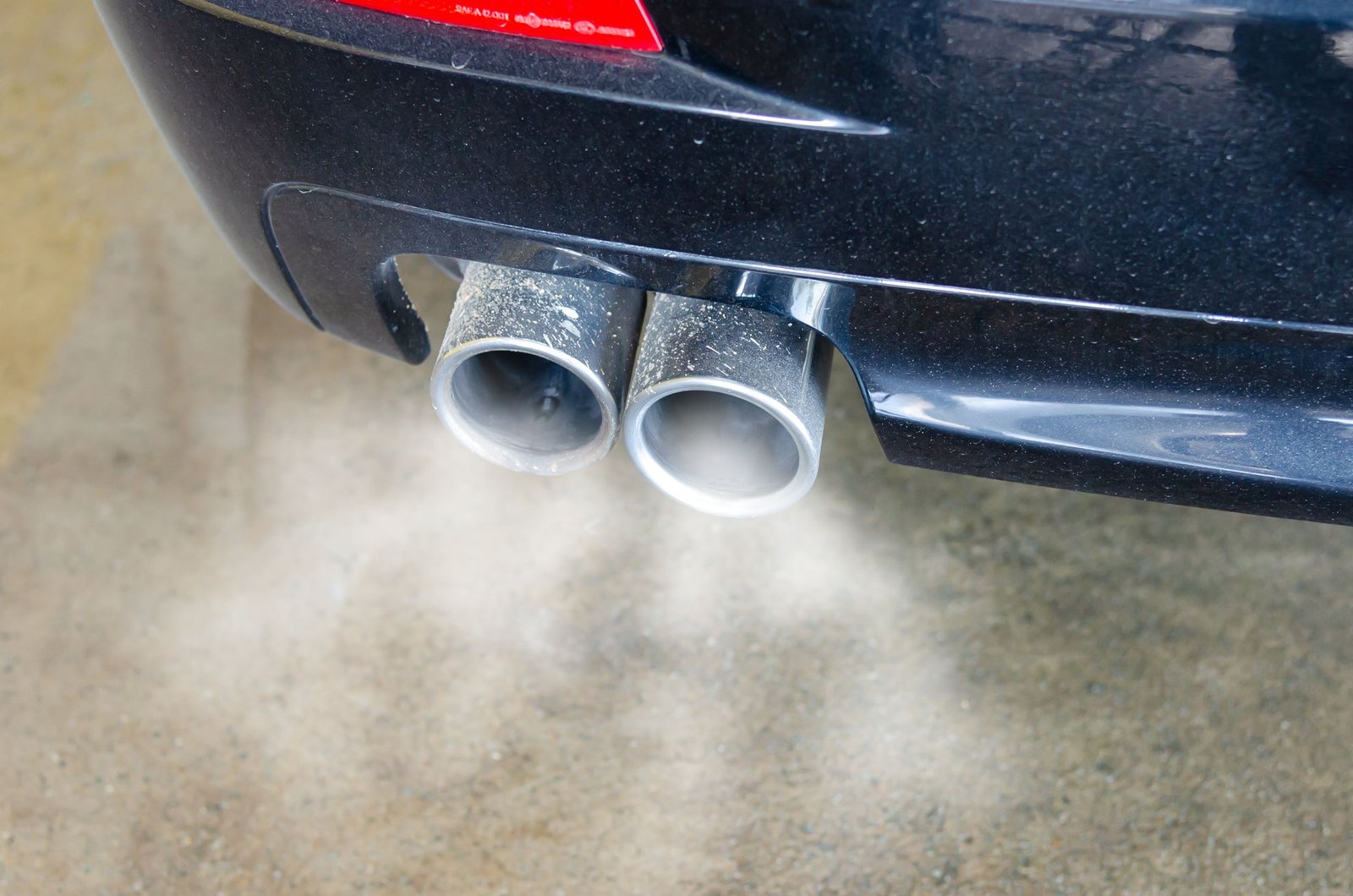
Seeing water coming out of exhaust can be confusing, especially when you notice drops collecting beneath the tailpipe or water visibly dripping while the engine is running. Your first thought may be that something is seriously wrong with the engine, but that is not always the case. In many situations, a small amount of water is simply a normal result of combustion and condensation inside the exhaust system.
The key is knowing the difference between innocuous moisture and the risk of a problem with the coolant, head gasket, cylinder head or another part of the engine. A small number of droplets on the starting of the engine could be perfectly normal during cold starting, however, any noticeable amount of water along with white smoke, boiling of engine coolant, a drop in the coolant level or a sickly sweet odor needs to be looked at more carefully. Firestone explain that water vapor from combustion within the engine may become condensation inside the exhaust pipe, especially during cold starting; however, excessive water indicates something else within the engine is wrong.
Is Water Coming Out of Exhaust Normal?
In many cases, water coming out of exhaust is normal. Gasoline combustion naturally produces water vapor as one of its byproducts.When a vehicle has been parked overnight the exhaust system is cool and therefore a bit of moisture has been able to condense in all parts of the exhaust system, including the muffler and pipes, etc.
When you start the engine the exhaust gases are being directed into and through the pipework, the accumulated moisture will be vaporized in to little water droplets and or steam that can sometimes be seen when you first set off, especially when it has been sitting overnight and the weather conditions are cold, or when a short journey is made. So a small amount of water is not a sign of failure of any of the mechanical aspects of the vehicle on its own.
Firestone attributes presence of water around the rear of the vehicle to condensation of the exhaust system, and if it only appears on startup is generally nothing more, as explained in exhaust condensation and water from the tailpipe.
It is more alarming when it can still be seen when the car has reached normal operating temperature.
If there are lots of drips or a dense white cloud and the vehicle seems to be running hotter than usual along with falling coolant levels then by all means start looking more thoroughly, because it is a case of not the present of the water, but where and why is the pattern more relevant to the problem than is it just present, there is little bit that drips but it is not actually coming from any other than it condenses in the exhaust and drips out, than it continuously dripping liquid out with the white smoke effect as described above that is the part you do really need to get sorted out properly.
Why Does Water Come Out of a Car Exhaust?
The answer’s basically combustion. When a fuel burns inside a motor, the reaction process generates various gases, including water. This hot steam moves to the exhaust pipes. If it collides with cool exhaust parts, or cool outer air, some vapor condenses into liquid water
This process explains why water coming out of exhaust can be most obvious immediately after starting the vehicle. The exhaust system may contain moisture from previous trips, and the new hot gases cause that moisture to move toward the tailpipe.
A lot of short-trips can also worsen the phenomenon-the exhaust may heat and cool without staying at temperature for long enough to evaporate condensation that builds up. Condensation can also occur inside oil (depending on how the oil is used/where it’s stored), and a short-trip vehicle sometimes produces a moisture related symptom which must be read in its own context-AAA states that condensation especially accompanies frequent short trip operation and cooler operating conditions. It isn’t saying there’s necessarily nothing wrong! This can often present with a serious problem on a cooling system too so again, what else the vehicle is doing matters.
When Should You Be Concerned About Water Coming Out of Exhaust?
The biggest mistake is judging the problem solely by the amount of water. Instead, pay attention to the combination of symptoms.
If you see water coming out of exhaust only for a short period after a cold start and the liquid is clear, there is usually less reason for concern. The engine should be allowed to warm normally while you observe whether the moisture decreases.
It is not so surprising to have white smoke if the engine is still cold. A thin white vapor, which will dissipate in the air, is most likely steam from condensation in the car’s exhaust pipe. If a thick white smoke continues after the engine has already come to working temperature, there might be coolant entering into the combustion chamber. The Firestone repair center names constantly strong white or gray white vapor in the exhaust as a potential symptoms of a leaky head gasket, cracked cylinder head, or cracked engine block.
A sweet odor is another factor that hints an internal leak. Antidotes added to the coolant will cause a peculiar sweet smell to appear if it burns off by the engine. This symptom associated with fluid loss, for which no outside leak can be seen on the outside of the vehicle, can suggest an internal leak.
Having an additional problem called overheating also modifies how we should see the incident. An example scenario: there is water present in the exhaust and the temperature meter of the car goes up; a coolant leak is confirmed; it starts to run ragged and white smoke comes out from the tail pipe. With all these information, it is no more silly to treat the event as condensation rather than the real thing. The Haynes handbook names white vapor, coolant loss, overheating, rough engine running, etc. Are the symptoms that you may have coolant leakage inside or a broken head gasket.
How to Tell Normal Condensation From a Serious Problem
One test you can do is observing the vehicle throughout from starting it from cold to full running temperature. For example. If you get in your car on a cold morning you’ll get perhaps small drips of water running from your tail pipe and the exhaust might have light vapor issuing from it for a few minutes after starting-the only problem being is that as the exhaust heats up to running temperature then (when the exhaust is hot and fully warming up) less steam is being output and less drips of water.
Coolant level remains constant and the car is running normally and at normal temperature. This kind of occurrence indicates quite strongly condensation.
On the other hand, start the car on an engine and exhaust that has already been running but it’s still gushing white smoke out. You see fluid level of the expansion bottle diminishing steadily. Exhaust fumes have a sweet smell and the coolant gauge starts rising. This situation is not likely condensation. The reason being is is it not just whether water should be running or not, its’ whether the water output is associated with an output of signs which suggest that the engine or coolant system is faulting.
Could a Blown Head Gasket Cause Water From the Exhaust?
Yes, a failure of head gasket can get coolant seep into one or more of the cylinders where combustion burns the coolant into vapor which eventually comes out in the exhaust. Sometimes even liquid is being discharged.
The head gasket is compressed between the block and cylinder head; its primary purpose is to provide a seal between the combustion chamber, coolant passages and oil passages. When the gasket breaks these things seep into the combustion chamber.
AAA states: head gasket is compromised the barrier between the combustion chamber and coolant passages breaks down. Hayes suggest indicators are: White vapor from the exhaust, coolant loss, engine overheating, rough idle and engine knock, coolant-related issues and others.
One cannot diagnose and get information about head gasket problem with only water discharge; the information to obtain it requires observation of symptoms such as excessive white smoke coming out constantly. Coolant loss with no obvious reasons, engine overheating, rough idle and knock, misfires, engine oil contamination etc.
This needs attention because head gasket failure maintenance has different cost and degree of technicality as compared to normally exhaust condensation issue, and continue operation with engine overheating could risk to attain engine failures in other domains.
What Other Problems Can Cause Excessive Exhaust Moisture?
The gasket isn’t the only component that can lead to this condition. An engine block or cylinder head cracked can also allow coolant to enter unwanted parts. The leaking head gasket along with a cracking engine block or cylinder head according to Firestone contribute to chronic thick white exhaust.
Cooling system can be blamed for a condition that eventually leads to the overheating of the engine. There can be several possibilities depending upon the specific cooling system failure. The low coolants, leaking hose or failed radiator or any other cooling system failure can lead to decreased engine capability to maintain optimum temperature.
Head-gasket failure is also listed with leaking hoses according to AAA as two possible cause leading to overheating of engine.
Again there also chances that it may not be water after all. Coolants under circumstances get confused with water i.e. Steam condensation. Its peculiar characteristics of unusual color, oily appearance and sweet odor must not be ignorantly called condensation.
Its location also leads to different approach towards diagnose. Condensation appearing from the exhaust tailpipe is not the same as coolants from coolant reservoir, hoses, engine compartment or exhaust manifold connections.
What Should You Check First?
If you notice water coming out of exhaust, start with simple observations before assuming that a major repair is required.
First, examine the appearance of the water. If it appears mainly at start-up and is gone once the engine reaches operating temperature, condensation is likely. It if is still appears once the engine reaches its normal running temperature, investigate it.
Watch the exhaust pipe. Light vapor which quickly dissipates is far less of a concern than thick white smoke.
Don’t just trust color-lighting, temperature, humidity, and camera exposure all affect what color your exhaust appears to be, rather than what color it is.
Only check coolant levels once the engine is stone cold. Your car owner’s manual should also state to not open a hot and pressurized coolant system to simply check how much is in the reservoir or radiator. However, if your coolant keeps disappearing and there’s absolutely no evidence outside the car of a leak, it’s time to have a mechanic examine it.
Also watch engine performance. Rough idling, frequent misfires, lower power output, hard starting, overheating, or a loud noise are often indications to consider a symptom seriously. Haynes mentions that you can expect cool burning along with poor running or starting, misfires, and signs related to coolant in the engine system.
Does the Color of the Exhaust Matter?
Yes but only when it should not really ever be judged on its own:
During cold startup water vapour is a very normal cause, this steam like light thin white smoke is as described as a result from condensation that comes from the startup of an engine, from Firestone states ‘brief thin white exhaust when starting cold or at low speeds is the result of condensation.
Constant thick white or milky smoke from the exhaust is to be more concerned, because this means that coolant is been burning and the evidence for that when along with a sweet smell or it over heating strongly suggest it is more that just condensation.
However smoke which comes off as blue or blue-gray indicates that the oil is burning and not water as with many water emissions and black smoky exhaust indications an indication of a high amount of fuel burning or an air-fuel mixture issue and, that may all aid in diagnosis.
This is why water coming out of exhaust should be evaluated together with exhaust color, smell, engine temperature, coolant level, oil condition, and engine performance.
Can You Keep Driving When Water Is Coming From the Exhaust?
The presence of only a bit of clear water on startup at a cold start with everything else running fine is normally no big concern. The condensation of exhaust gas is a basic physical reaction.
Things get serious with other signs. Engine overheating, failing coolant level, engine sputtering and producing white smoke even on warm up, a sputtering engine, or an inability for the vehicle to run with its power are indicators that driving on further may cause something fixable become a catastrophe.
An overheating vehicle is something that absolutely must be feared. Haynes points out that the pressure created by exhaust gases forcing themselves into the coolant in cases of enginehead-gasket failure will cause a higher rate of heat build-up causing overheating.
If your temperature gauge is already inching past a good temperature, or any warning light concerning overheating has come on, then pull over to the side of the road (safely of course), and let the engine cool down. Don’t go a single inch further just because the car still turns on and still moves-something that’s fixable at this time will just cause great damage as long as you keep it running out of temperature.
How a Mechanic Can Confirm the Cause
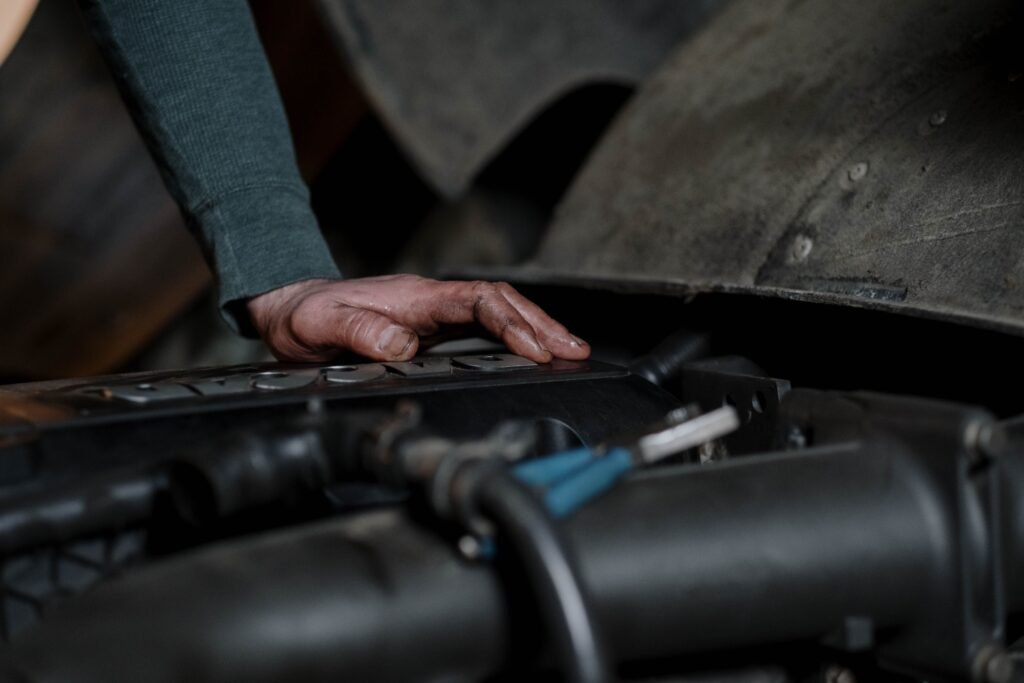
When water coming out of exhaust is accompanied by symptoms suggesting coolant loss, a technician may need to test the cooling and combustion systems rather than simply inspecting the tailpipe.
Using a cooling system pressure test may assist the technician in finding an otherwise undetectable leak that may not be readily apparent during a normal visual inspection. If there’s internal loss of coolant, additional diagnostics will be necessary.
Haynes suggests analysis of the cooling system using exhaust gases as one method of attempting to detect combustion-related gases entering the cooling system, and refers to leak down testing for at least head-gasket problems.
An engine technician may also inspect the engine oil, listen for an apparent constant “white” exhaust, check cylinder compression, and look for other indications of overheating. As you know, no specific diagnostic test automatically applies to every vehicle; the test is prescribed by the symptoms of the problem vehicle.
The object should be to determine the origin of the problem instead of indiscriminately replacing costly components on the basis that there is water present.
Common Mistakes to Avoid
A common misjudgment is seeing a drip of water leaking from the tailpipe, thinking immediately that the head gasket has blown. This often causes excessive worry and potentially unnecessary repairs as the formation of dew drops when first starting a cold engine is normal, especially if the car is not taken for longer journeys.
The opposite miscalculation is just as unhealthy as too much moisture, however, white smoke coming from exhaust, accompanied by a fall in the level of liquid and increased overheating in the cooling circuit as well as a noticeable odor reminiscent of sugar.
Yet another is opening the radiator cap when the engine is running and hot, which can cause a risk of a scalding as hot vapor steam can shoot up from the pressurized cooling system. One should wait for the entire system to cool and one should consult the owner’s manual or handbook.
It is inadvisable to rely on stop leak substances. If there seems to be a possible issue with the head gasket or with the cylinder head, the proper diagnosis should be the method chosen over obscuring the symptoms with substances added to the coolant.
Lastly, it would be wrong to make a diagnosis with just one check. You can take a picture or a short clip to illustrate the observation you have made, but a service center may want to get it checked cold and warm and check the different liquid amounts.
How to Prevent Exhaust-Related Engine Problems
Normal condensation is irreversible since it occurs naturally as a by-product of combustion and changing temperatures, while car maintenance and repair tips can help prevent related engine and cooling-system problems. You can lessen chances of serious problems to your engine by attending to the routine upkeep: Stick to the manufacturer prescribed level of coolant in your vehicle and determine the reason for unexplained coolant loss instead of continuously replacing lost fluid. Closely observe your temperature gauge and act accordingly if the engine begins running more than just a tad warmer than usual.
Regular service is critical not just for the cooling system, hoses, radiator, and various other components, but also for engine oil, sinceAAA Advises periodic maintenance, since degraded components can be caught early to avoid the issues they cause.
Short trips are common causes for excessive condensation within the vehicle because the engine and exhaust may not reach and sustain high operating temperatures long enough to vent all condensation. Whenever practical or necessary longer drives can allow the engine exhaust system to reach higher operating temperatures than would occur with normal, short, trips. However, a longer drive cannot remedy a failure of the mechanical parts of a cooling system; it merely offsets (slightly) an overheating condition. A driver can have only one really useful preventative habit – knows what’s normal.
Once he knows what the correct coolant level, tailpipe characteristics, temperature and engine sounds are, it is fairly easy to spot what is atypical behavior.
When Should You See a Professional?
You should consider professional inspection when water coming out of exhaust becomes persistent after the vehicle has warmed up or appears alongside other symptoms.
In an examination become all the more critical if it’s a problem about coolant added often, where you have a lot of white smoke from exhaust, sweet smell from your exhaust, or that the engine is overheating or the oil is contaminated milky or the engine starts running badly or losing power-these all can be an sign of the problem inside engine/cooling system that cannot be checked and diagnosed visually just by the help of exhaust pipe.
Where an engine is overheating should not be treated like a small exhaust trouble. You’d better pull over when it is safe to drive and get assistance or diagnoses provided.
Where an engine does steam just couple of drops water for startup, no any sign, you could try to observe its behavior after the engine has been hot already, and compare whether it just follows the law of exhaust condensation or is it more like that it has been related to some mechanical issue in engine/cooling system.
Final Recommendation
In most cases, water coming out of exhaust is not automatically a reason to panic. Combustion naturally creates water vapor, and that vapor can condense inside a cool exhaust system. A few clear drops during startup, particularly in cool conditions, can therefore be completely normal.
Where concern arises is if the water persists or it is associated with dense white smoke, coolant loss, a sweet smelling exhaust, overheating, roughness, misfiring, or other abnormalities in the running of the engine. These sets of circumstances could potentially show coolant burning in the combustion process. A head-gasket, cylinder-head, or engine-block could be the component under scrutiny.
Better yet than trying to determine what problem the engine is suffering on a single symptom is to:
Look for any signs of this ‘water’ appearing. Does it eventually clear after the engine warms up, what does the exhaust smoke look and smell like, is there any coolant being consumed. Does the engine temperature remain steady. If the symptoms appear to coincide with one another professional help is definitely the best answer.
Being aware of this may allow one to avoid making two rather costly errors of concern. Either concern for condensation or ignorance of pending disaster.
Frequently Asked Questions
Is water coming out of exhaust normal when starting a car?
Yes, it could be. Water vapor is a normal byproduct of burning fuel and the vapor can condense when the exhaust system is cold. A few drops of clear liquid that soon disappear with a hot exhaust is unlikely to be anything to worry about whereas ongoing water may indicate that there are other engine issues or it may smoke.
Why is there water coming out of exhaust along with white smoke?
It might be just water condensation for thin & short white smoke, when the engine is starting in a cold state. When the white smoke still appears even when the engine gets to the normal operational temp, and especially in the circumstances where you could be losing coolant and is overheating, then there could be coolant leaks into the combustion chamber.
Can a bad head gasket cause water to come from the exhaust?
If a cylinder head gasket has blown, coolant can also leak into the combustion chamber where it might vaporise to steam and is exhausted through the tail pipe. Continued white smoke at the exhaust, loss of coolant and the engine overheating, running lumpy and a sweet smell of the coolant would strengthen suspicions of an inward leak.
Should I stop driving if water is coming from my exhaust?
Not necessarily if it is only a few clear drops during a cold start and the car operates normally. However, if the vehicle is overheating, losing coolant, producing persistent thick white smoke, running roughly, or losing power, continued driving can risk more serious engine damage.
Why does my exhaust drip water more in cold weather?
Because of cooler weather, condensation may occur more readily inside the exhaust. As the engine begins to turn on, hot exhaust gases may pass over the moist areas and in turn, cause the moist areas to drip and steam.
Can short trips cause more water to appear from the exhaust?
Condensation is a symptom, and it can be noticeable under these circumstances, as the exhaust system might repeatedly warm up and cool down before reaching a constant high enough temperature to get all the water to evaporate away. This condition does not automatically indicate a problem with the engine, but a reoccurring symptom always warrants further investigation.
How can I tell whether exhaust water is actually coolant?
Don’t trust just the liquid, also check for clues elsewhere. A sugary scent, unexpected coolant loss, ongoing thick white smoke emission, engine overheating, uncharacteristic rough running, or the presence of coolant and oil mixture may signal a cooling system issue. A mechanic may also conduct specific cooling system and engine diagnostics when the reason is not clear.











