

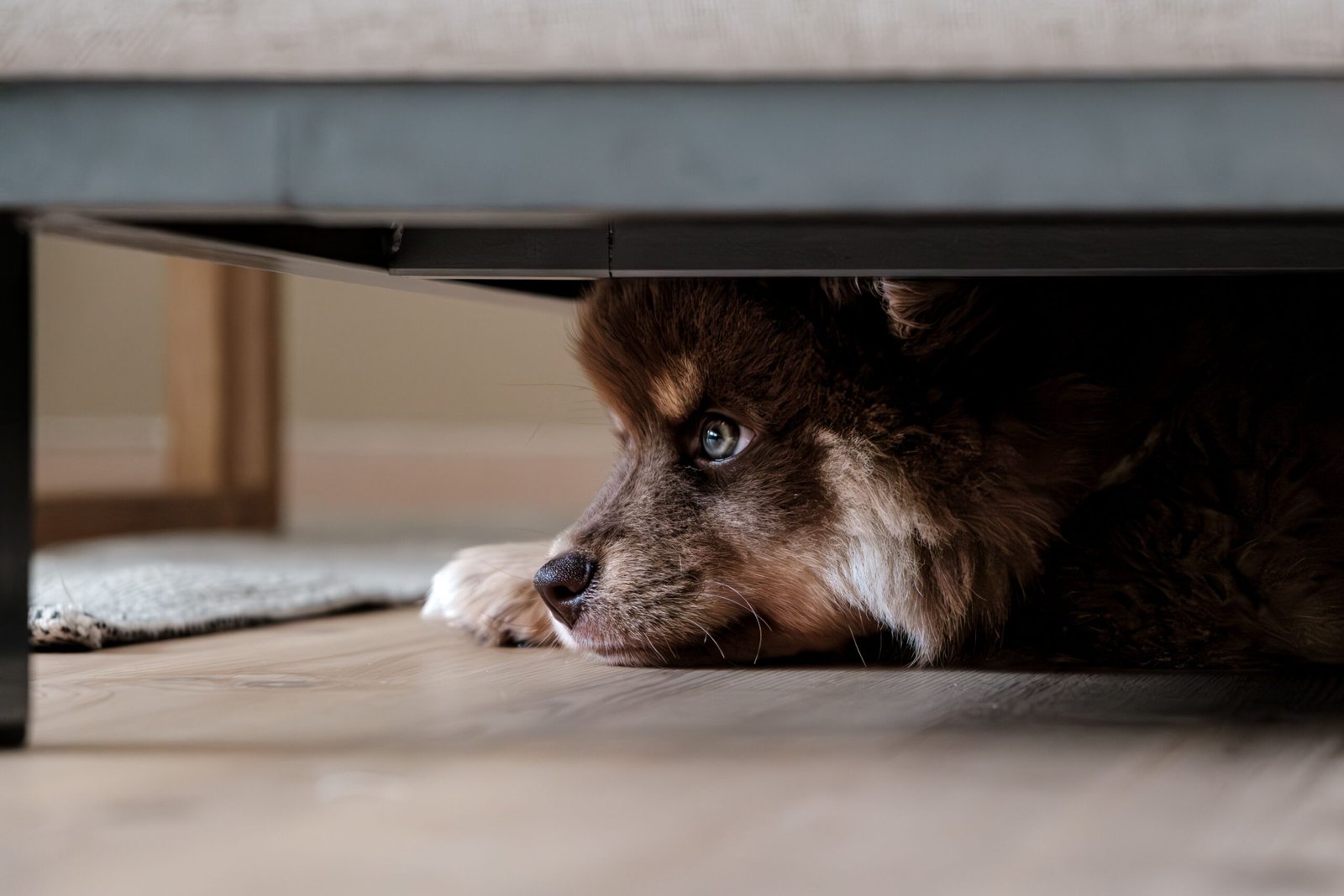
If your dog takes a treat from your hand, walks away, and carefully pushes it under a blanket, into a couch cushion, or somewhere in the yard, there is usually a reason behind the behavior. Why do dogs hide their treats? In most cases, the answer is surprisingly simple: dogs have an instinct to save valuable resources for later.
Canine caching doesn’t disappear even if your dog gets all of his meals at scheduled times and he never needs to guess where his next meal is coming from. Some dogs cache treats because they view it as putting a treasure in a ‘bank’. Some dogs will stash things away so other animals won’t get a hold of them.
Other times dogs stash food because they love the activity of digging up a treasure they’ve previously hidden or they just want to save it for later.
Many veterinary behaviorists acknowledge caching of treats or treasured items as a normal canine behavior under many circumstances. It’s not uncommon to see a dog burying their food or any favorite toy. However context counts. As any behavior, a dog who absentmindedly stashes a biscuit then forgets where they put it isn’t nearly the same dog as one who suddenly gets anxious when guarding food or has a tendency to become confrontational or growl/snap over any buried treat.
What Does It Mean When a Dog Hides a Treat?
If you have ever wondered why do dogs hide their treats, dogs commonly do so because they view treats as valuable resources that can be saved for later. Why would Fido hide his bones or toy mouse under the bed (or in your shoes)? It’s likely a dog survival instinct. Dogs’ ancestors didn’t know where their next meal would come from and being able to store food for later could be beneficial.
Modern dogs might still “collect” things even if they know food is always available.
What sort of things might a dog “hide”?
It could be almost anything: another toy (as if he didn’t have enough already!), socks, gloves, slippers or even household “objects,” all of which may become part of a treasured cache in “Fido’s stash.” You might find your dog stuffing a treat under his bedding, behind the couch, outside in the garden, or even repeatedly carrying his favorite soft toy around with him before he settles on the perfect hiding spot. The behavior might not even have anything to do with hunger – sometimes it’s a particularly well-fed dog who hides a tasty chew to enjoy later.
1. Your Dog Is Saving the Treat for Later
One of the simplest explanations is that your dog does not want to eat the treat right now.
You wouldn’t dream of having another slice of rich chocolate cake after filling up on dinner, would you? You’d more than likely save it for later. Our furry friends may well display a similar type of discerning behaviour with a high-value item. So, if your dog knows their chew or treat is a favourite but is not quite the moment to take their fill, rather than leave it out in plain view, they’ll tuck it away for you somewhere they feel is safe.
Understanding why do dogs hide their treats makes more sense from an evolutionary perspective. Dogs’ wild ancestors did not have predictable meals delivered to a bowl every morning and evening. Storing excess food could help animals make use of resources when food was less available. Modern household dogs do not need to prepare for famine, but instinctive behaviors can persist.
That is why hiding a treat does not necessarily mean your dog thinks you will stop feeding them.
2. The Treat Is Especially Valuable
Not every piece of food receives the same reaction.
Your dog will consume a plain kibble right away but a gourmet chew may travel out of the bowl, into the living room, and hidden under the couch. It’s that behavior that gives you clues as to how your dog rates the item.
Just like people, dogs develop a preference. They have favorite tastes, textures, aromas, and even kinds of chews. When a particularly enticing item comes along that can then become guarded or hidden as a future treat.
You may notice that hiding happens more often with:
- Long-lasting chews
- Bones
- Dental treats
- Dried meat treats
- High-value training rewards
- Favorite toys or chewable objects
The more valuable the dog considers an object, the more likely it may be to save or protect it.
This is also why giving several highly desirable treats at once can sometimes result in a small household collection under the couch.
3. Your Dog Is Following an Instinct to Store Food
Dogs aren’t the only ones who cache food. The practice of burying precious resources is a survival behavior common to many animals. For dogs it might become a particularly noticeable type of behavior since digging is a simple, available method for hiding something. The dog will literally dig a little hole, put food in, cover it and come back at a later time.
Indoor dogs can perform a similar behavior without actual soil. A blanket, pile of laundry, couch cushion, or corner of a room can become the substitute “storage area.”
If you’re wondering why do dogs hide their treats, VCA notes that dogs may bury food or bones even though domestic pets receive consistent meals, reflecting natural canine food-caching behavior. The behavior can remain because the underlying instinct has not disappeared simply because humans provide food regularly.
4. Your Dog May Be Protecting the Treat From Other Pets
In a multi-dog or multi-cat household, a dog can learn a great advantage by hiding what they value from other pets. If some other dog or cat routinely steal food, toys or chews from your dog, then they will learn that leaving anything worth having in plain sight is a very poor, risky idea.
By teaching a dog to hide the toy, it can put a safe distance between your dog and their competitor, and your dog may select a room where their competitor doesn’t go, a quiet corner or nook, their crate, or any other place safe from intrusion by their pet mate. This alone doesn’t necessarily mean the dog has true resource guarding as there is a huge difference between hiding and being aggressive.
If you’re wondering why do dogs hide their treats, a dog that quietly carries a chew away and returns later may simply be managing its resources. However, a dog that freezes, stiffens, growls, snaps, or bites when another animal or person approaches the hidden item is displaying a more concerning guarding response. Resource guarding can involve food, toys, chews, stolen objects, and other possessions.
5. Hiding Can Be Fun
Sometimes there is no serious underlying problem at all. Your dog may simply enjoy the activity.
Digging, carrying, hunting for things and moving objects or recovering them when hidden can all provide mental stimulation. The nose and mouth are naturally used to explore by dogs, and some actually like turning foods and toys into a small treasure hunt. These types of structured hiding games are one part of beneficial enrichment.
Instead of letting your dog bury food all over the yard you could provide supervised play using food puzzles, scent work, or specially provided dig holes to alleviate dogs need to bury food.
Mental stimulation and a safe outlet for digging dogs is also advocated by VCA, along with other dog enrichment activities that can support healthy natural behaviors.
They are trying not to eliminate instinctive behaviors but to redirect it.
6. Your Dog May Have Too Many Treats or Toys
A surplus of resources can encourage dogs to stash things.
If you give your dog a large basket of toy then even give him a couple of treats throughout the day then why should he bothered with giving it his all in immediately? The dog will probably begin to pick and choose a few favorites and start stowing them around your home.
This can be particularly noticeable when a dog repeatedly gathers toys from around the home.
Understanding why do dogs hide their treats can also help when managing similar behaviors with toys and other items. Rather than taking everything away, consider rotating toys. Keep a smaller selection available and introduce different toys periodically. This keeps the environment interesting without allowing dozens of objects to accumulate around the house. Similar management strategies are recommended for dogs that compulsively collect or hide items.
The same principle can apply to treats. Treats should be appropriate for your dog’s size, diet, and overall calorie needs rather than offered simply because the dog asks for them.
7. Your Dog May Feel That the Treat Is Not Safe in the Open
Location can provide clues about what your dog is trying to accomplish.
You may want the dog to hide his chew in a secluded place, away from a busy room. If the dog has an extra tasty or long lasting chew, such as a rawhide, he may consider it easier and safer to enjoy his food in solitude. While I certainly wouldn’t encourage my children to ” tease ” a dog by taking his or her toys, treats, or even chews away, for the purposes of keeping a dog from hiding things, it’s important to remember to allow your dog the safe space he/she needs to chew.
This is all the more important for homes with multiple pets, and in households with young children.
Your dog deserves a place to enjoy his chew without being disturbed.
8. Stress or Anxiety Can Influence Hiding Behavior
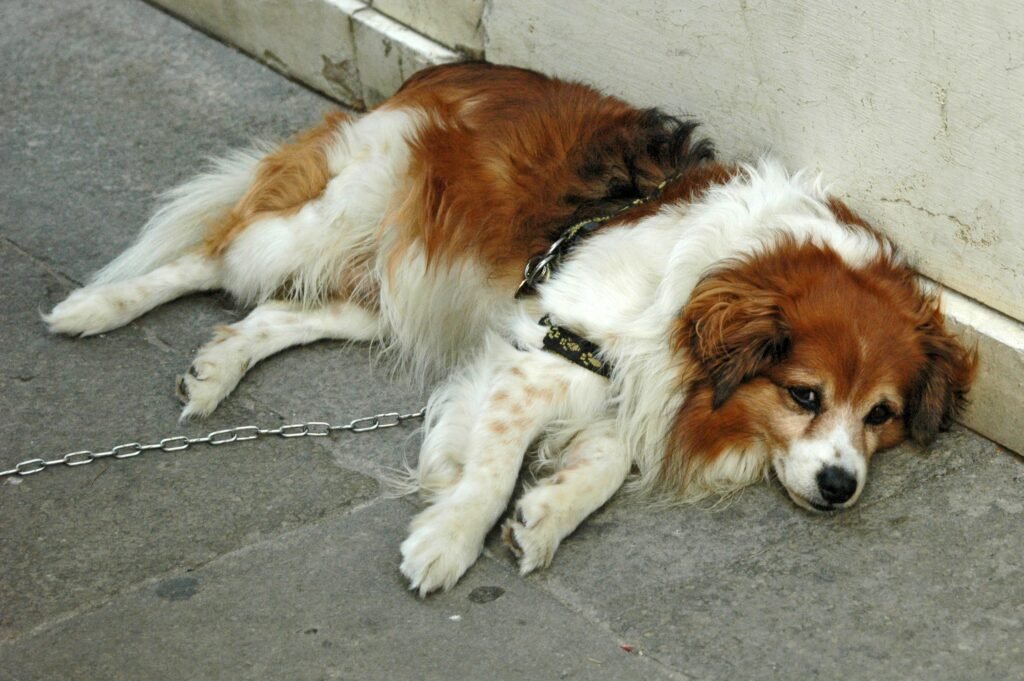
Storing cherished possessions can be a normal dog behavior, but an abrupt and extreme shift does require further evaluation. A dog who is already habitually burying an occasional chew and seems otherwise perfectly fine should be a reason for less concern than a dog who suddenly starts burying food, toys or other inanimate objects as well as experiencing other possible indicators of stress. Such changes in behavior that may indicate stress can range from unusual withdrawal, to excessive barking or destruction of items, altered appetite, over-alertness/restlessness, or other changes in routine.
Simply burying an object does not mean that anxiety is the diagnosis and, as with all things, it has to be assessed on a contextual and holistic basis.
If there was a sudden change and no clear explanation in its environment for it, and particularly if there are other changes going on either emotionally, physically or behaviorally, it can certainly warrant discussion with a veterinarian.
9. Your Dog May Be Developing Resource-Guarding Behavior
The biggest distinction owners should understand is the difference between caching and guarding.
Caching means the dog stores an item.
Guarding means the dog attempts to prevent someone else from taking or approaching the item.
A dog may show mild guarding by moving away when approached. More serious signs can include:
- Stiffening the body
- Freezing
- Staring
- Growling
- Showing teeth
- Snapping
- Lunging
- Chasing someone away
- Biting
These behaviors should not be dismissed as the dog being stubborn or dominant. ASPCA describes resource guarding in dogs as a behavior that can range from relatively mild avoidance to aggression.
If your dog guards treats or hidden objects, avoid forcibly taking them away. Punishment or intimidation can increase fear and may worsen the guarding response.
Should You Stop Your Dog From Hiding Treats?
Not necessarily.
If your dog hides treats every so often, seems non aggressive, isn’t doing your house or garden any damage, then there’s no reason you needs to remove it.
There are tons of natural behaviors dogs do that people have no reason to take away simply because we find them strange. Chewing, carrying, sniffing, collecting, digging-all are natural canine behaviors.
The more useful question is whether the behavior creates a practical or safety problem.
You may want to manage it if your dog:
- Hides food in places where it can spoil
- Buries food in areas that damage landscaping
- Hides objects that could be dangerous to swallow
- Guards hidden items aggressively
- Constantly searches for or collects objects
- Becomes distressed when unable to hide something
Management is usually more effective than punishment.
How to Manage Treat-Hiding Behavior
Give fewer high-value treats at once
If your dog immediately hides several treats, reduce the quantity being offered. This can prevent an accumulation of forgotten food.
Make sure treats remain a small part of the dog’s overall diet and are appropriate for their individual nutritional needs.
Create a safe storage alternative
If your dog enjoys burying things, consider providing an appropriate digging area outdoors, if practical.
You can also create supervised indoor enrichment activities using food puzzles or designated toys. This allows the dog to express natural behaviors without turning the entire house into a storage facility.
Rotate toys
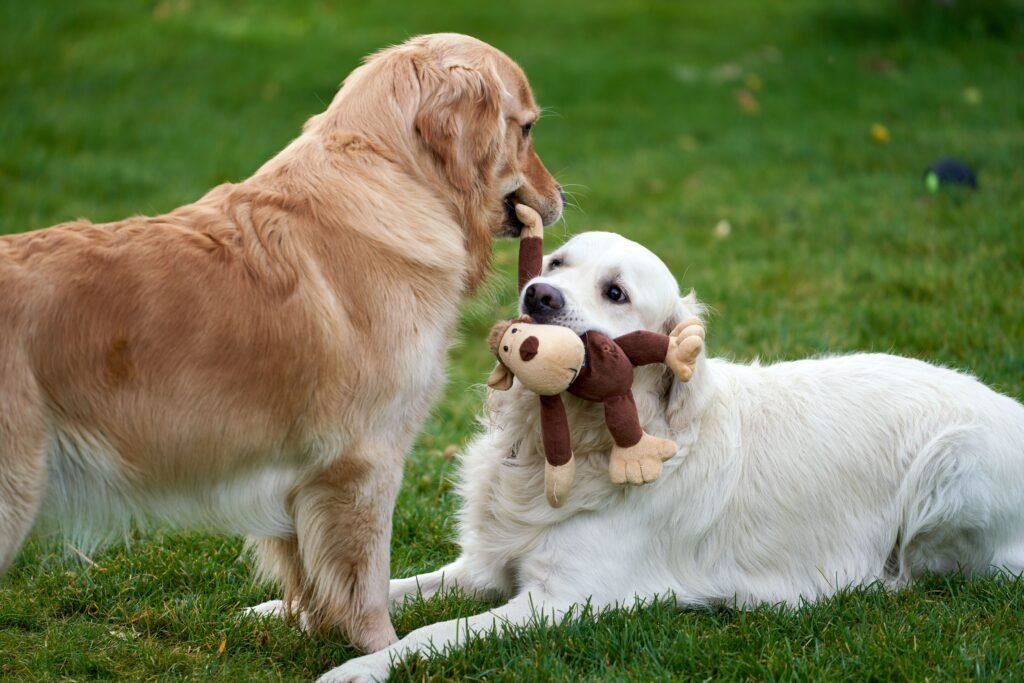
Instead of leaving every toy available all day, rotate a selection.
This can reduce clutter while keeping older toys interesting when they return to the rotation.
Protect valuable household objects
Keep socks, children’s toys, medication, food wrappers, and other potentially dangerous items out of reach.
A dog that enjoys collecting objects may not distinguish between an appropriate chew and something that could cause an intestinal obstruction.
What You Should Not Do
How Not To Handle The Hide-a-Treat Defense A disastrous approach is to yell at, scold or punish your dog for having a treat hidden. If the dog begins to think of you as someone who consistently takes his valuable belongings away, your dog may try to hide or defend their bounty better. Don’t give chase through the house when your dog grabs an everyday safe chew – exchange the forbidden item with something safe in a calm manner instead if need be. A solid “drop it” or “trade” cue using a positive reinforcement protocol will show the dog that giving up the object earns them good things, rather than them getting it taken for nothing.
What If Your Dog Hides Food and Then Guards It?
This situation requires more caution.
Don’t reach into the hiding spot, corner your dog, or forcefully grab the guarded item. Don’t try and see how close you can get to your dog without them getting mad about their resource.
Instead, structure your environment to allow your dog to enjoy eating or chewing alone.
Be extra cautious with young children in the house. Because of their smaller size and inability to interpret warning behaviors accurately, young children may approach a dog while the dog is guarding or eating their valuable resources. ASPCA specifically notes resource guarding from children as a safety issue.
If your dog has growled, snapped, lunged or bitten for food or items, professional behavioral help is a good idea. A veterinarian behaviorist or other knowledgeable behavior professional can help provide guidance in a behavior modification plan to keep your dog safe and you and everyone else out of a potential harmful situation.
When Should You Talk to a Veterinarian?
Treat-hiding by itself is usually not an emergency. Still, there are situations in which veterinary advice is worthwhile.
Contact your veterinarian if the behavior is accompanied by:
- A sudden major change in eating habits
- Loss of appetite
- Vomiting or diarrhea
- Weight loss
- Unusual lethargy
- Signs of pain
- Excessive anxiety or restlessness
- Repeated attempts to eat inappropriate objects
- Other unexplained behavioral changes
A veterinarian can help determine whether a behavioral change could be related to an underlying medical issue.
For aggression or serious resource guarding, veterinary behavioral support may be particularly valuable. ASPCA advises seeking qualified professional help when a dog shows a risk of biting or when behavior-modification exercises are not progressing safely.
Frequently Asked Questions
1.Why do dogs hide their treats instead of eating them?
Dogs may hide treats because they consider them valuable and want to save them for later. The behavior can reflect an inherited food-storage instinct, a desire for privacy, or competition with other pets. A dog may simply be full but unwilling to give up a favorite treat.
2..Why does my dog bury treats in blankets?
Blankets can function as a convenient substitute for soil. Your dog may push, scratch, or cover the treat because the behavior resembles natural food-caching activities. If the dog is calm and not guarding the item, this is generally harmless.
3.Why does my dog hide treats and never eat them?
Some dogs enjoy possessing or storing valuable food more than immediately consuming it. Your dog may also receive more treats than it needs at the moment. Reducing the quantity of high-value treats and observing which items are consistently hidden can help you understand the pattern.
4.Should I take a hidden treat away from my dog?
If the treat is safe and the dog is not causing a problem, there may be no need to take it away immediately. If you must remove an unsafe object, use a calm trade rather than forcibly taking it. Dogs that guard food should not be physically challenged.
5.Is hiding food a sign that my dog is hungry?
Usually not. A well-fed dog can still hide food because the behavior is instinctive. A sudden increase in food-seeking or hiding accompanied by weight loss or other physical changes is different and should be discussed with a veterinarian.
6.Why does my dog hide treats around the house?
Dogs may choose different hiding spots because they are looking for locations that feel secure, quiet, or inaccessible to other pets. Furniture, blankets, corners, laundry, and other soft or secluded areas can become convenient storage places.
7.Is it normal for puppies to hide treats?
Yes. Puppies can display natural behaviors such as carrying, chewing, digging, and storing objects. Their behavior should still be supervised because puppies are more likely to chew or swallow inappropriate objects.
Conclusion
So, why do dogs hide their treats? Most often, they are following a natural instinct to save something they consider valuable. A favorite chew may be too good to eat immediately, and your dog may prefer to store it somewhere secure for later. Other factors, including competition from other pets, excess treats, enjoyment of digging, privacy, or stress, can also influence the behavior.
While it’s generally not concerning, sporadic hiding is probably a nonissue for your dog if your dog seems calm and is acting normally behaviorally outside of the hiding period. If you find your dog is starting to hiding too much, to the point of causing destructive behavior, or growling, snapping, or shows other signs of resource guarding, than this is likely an issue where a confrontation is best avoided, and professional help is recommended. The ability to solve this problem easily comes from understanding the reason behind why the dog is doing it, while still honoring your dog’s nature.











